








Immune Cells and Mood
Recent scientific inquiry has unveiled a fascinating correlation between the accelerated aging of specific immune cells and the manifestation of depressive
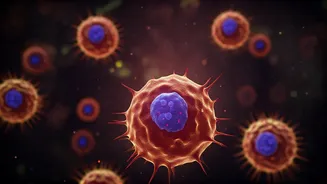
symptoms, primarily observed in women. Researchers conducted an investigation involving women both with and without HIV, where they noted a distinct pattern: monocytes, a type of white blood cell, exhibiting signs of premature aging were significantly associated with feelings of profound hopelessness and a diminished interest in activities, which are hallmark indicators of depression. This discovery could pave the way for innovative strategies in identifying and managing mental health disorders, potentially shifting the paradigm of how we approach psychological well-being.
Advanced Cell Aging Analysis
The sophisticated tool employed in this research, named MonoDNAmAge, excels at determining the 'biological age' of these crucial immune cells by examining specific markers within their DNA. This advanced method demonstrated superior efficacy compared to previous techniques in establishing a link between cellular aging and emotional states. Scientists involved in the study emphasize that this innovative diagnostic approach could prove exceptionally beneficial for individuals at elevated risk of developing depression, such as women managing HIV. As articulated by Nicole Beaulieu Perez from NYU, the objective is to gain a deeper understanding of the underlying biological processes for women with HIV who are experiencing depression, enabling earlier intervention to prevent detrimental impacts on their overall health. The ultimate vision is to integrate these biological assessments with routine symptom evaluations, thereby fostering a more tailored and effective system for mental healthcare delivery.