






Mapping the Universe
Scientists have recently concluded a monumental five-year undertaking with the Dark Energy Spectroscopic Instrument (DESI). This ambitious project has
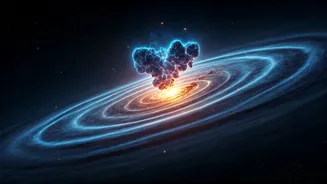
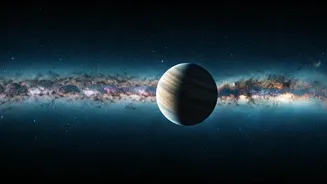
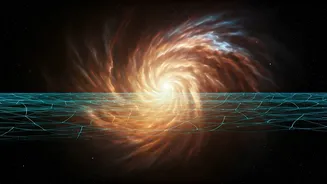
culminated in the creation of the most comprehensive three-dimensional map of the observable universe ever compiled. This vast cosmic atlas meticulously charts the positions of hundreds of millions of galaxies and quasars, extending our view to a staggering 11 billion years into the past. The primary objective behind this immense mapping effort is to gain crucial insights into the nature of dark energy, the enigmatic force believed to be responsible for the accelerating expansion of the cosmos. Understanding this force is key to comprehending the ultimate fate of our universe.
Innovative Technology
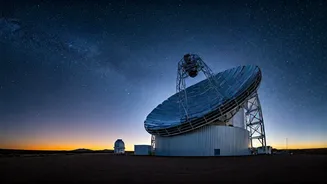
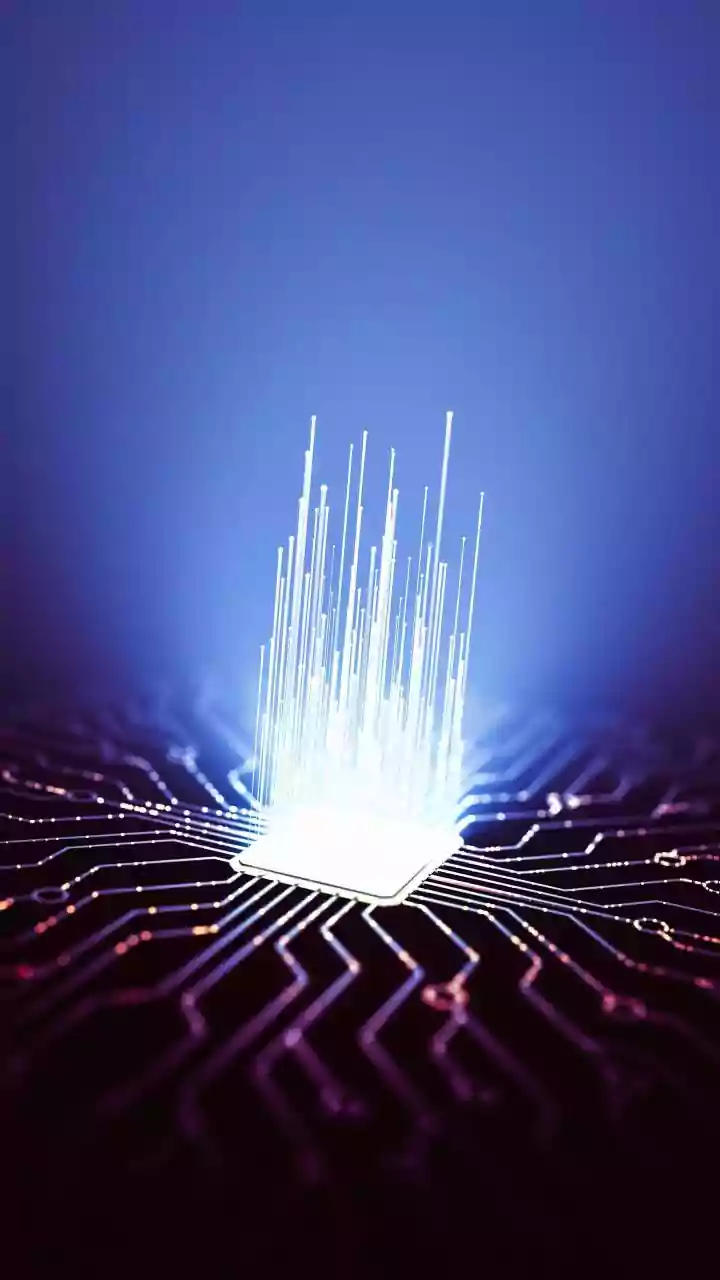
At the heart of DESI's success lies its deployment of highly sophisticated technology. Leveraging the capabilities of Arizona's Mayall Telescope, the instrument utilizes a remarkable array of robotic fiber-optic positioners. These positioners are capable of precisely targeting and collecting redshift data from an unprecedented number of celestial objects. In total, DESI has gathered this vital information from over 47 million galaxies and quasars, setting a new record for the sheer volume of such data collected. This technological prowess has enabled scientists to construct their detailed map with unparalleled accuracy and scope, pushing the boundaries of astronomical observation and data acquisition.
Early Insights
The initial findings emerging from the vast dataset collected by DESI are already generating significant excitement within the scientific community. Preliminary analyses suggest that dark energy may not possess a constant characteristic, a revelation that could fundamentally alter our current cosmological models. If dark energy's influence is indeed variable, it implies a more complex and dynamic universe than previously theorized. Researchers are diligently continuing their in-depth examination of all the gathered information, anticipating that more definitive answers and profound discoveries will emerge and be published by the year 2027, further illuminating the mysteries of the cosmos.