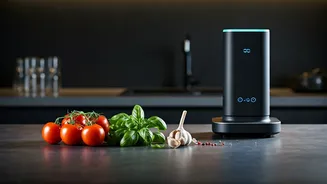








Flavor Precision Unleashed
Artificial intelligence is now a powerful ally in the kitchen, especially for home cooks looking to elevate their culinary creations. Tools like Flavor
AI are at the forefront, enabling users to meticulously control and enhance taste profiles. By intelligently analyzing how different ingredients interact, these AI systems provide data-driven suggestions for optimizing the balance of flavors. Imagine inputting your favorite base recipe, and then receiving expert guidance on precise ingredient ratios and ideal preparation techniques to significantly improve the overall eating experience. This precision extends to understanding the fundamental taste elements – sweetness, acidity, umami, bitterness, and salt. Flavor AI pinpoints where adjustments are needed to achieve a more harmonious and sophisticated taste, liberating cooks from guesswork and endless trial-and-error, leading to consistently delicious results.
Personalized Recipe Magic
Beyond fine-tuning existing dishes, AI is also a remarkable tool for generating entirely new, custom recipes. Advanced language models, such as ChatGPT and Claude, excel at understanding complex cooking requests based on personal dietary needs and available ingredients. These sophisticated AI systems grasp the nuances of contextual cooking instructions, delivering practical, step-by-step guidance that is easy to follow. This capability empowers individuals to create unique dishes perfectly aligned with their specific taste preferences or dietary requirements. Whether you're aiming for a low-carb meal, a dairy-free delight, or simply want to use up the vegetables in your fridge, these AI assistants can craft a recipe that meets your exact specifications, making personalized cooking accessible to everyone.
Behind the Culinary Code
The sophisticated capabilities of AI in cooking are powered by advanced machine learning technologies. Platforms like TensorFlow enable food scientists to meticulously model intricate flavor interactions on a large scale. These powerful systems can predict with remarkable accuracy how various cooking parameters – such as temperature, cooking duration, and specific techniques – will ultimately impact the final taste and texture of a dish. By providing objective, data-backed insights, these technological advancements allow for recipe refinement with a level of accuracy and efficiency far surpassing traditional, more intuitive methods. This deep understanding of food science principles, driven by AI, is revolutionizing how we approach recipe development, making it more predictable and effective.
Real-World Kitchen Wins
The advantages of integrating AI into recipe development extend well beyond mere novelty. One significant practical benefit is the enhanced consistency of culinary outcomes, ensuring that delicious results are reproducible. Furthermore, by optimizing ingredient usage, these AI tools play a crucial role in reducing food waste, a major concern for many households. Anecdotal evidence suggests that home cooks feel a newfound confidence in exploring unfamiliar cuisines, as they are equipped with reliable, AI-generated guidance. This technology is particularly invaluable for parents managing complex dietary restrictions within the family; it helps maintain essential nutritional balance while ensuring meals are appealing to members with diverse taste preferences, making mealtime a more harmonious experience for everyone.