





A Cosmic Conversation
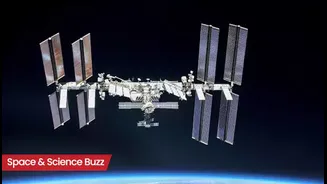
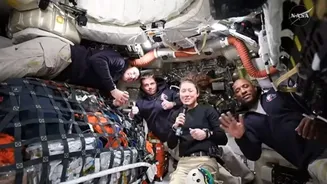
In a truly remarkable feat of space communication, the crew of NASA's Artemis II mission established a historic telephone call with the International Space
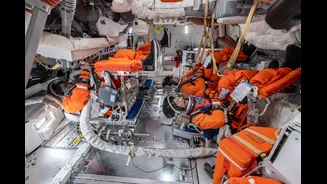
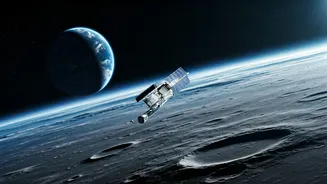
Station (ISS) while en route back to Earth. This pioneering communication took place on April 7, 2026, with Commander Reid Wiseman and astronaut Christina Koch engaging in a conversation with astronaut Jessica Meir aboard the ISS. What made this exchange particularly special was the reunion it facilitated; Koch and Meir had previously made headlines together in 2019 for their pioneering all-female spacewalk. The sheer distance covered by this communication is astonishing – a staggering 370,148 kilometers, bridging the vast expanse between the lunar spacecraft and the orbiting laboratory. This moment underscores the ever-advancing capabilities of human spaceflight and the interconnectedness we can achieve even in the most extreme environments.
Beyond the Call
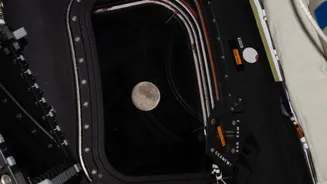
The Artemis II mission was far more than just a record-breaking phone call. The spacecraft successfully returned to Earth carrying a treasure trove of scientific information, with over 50 gigabytes of mission data collected. This data is expected to provide invaluable insights for future space endeavors. Furthermore, the mission captured a breathtaking 'Earthset' photograph, an image that evokes the iconic 'Earthrise' photo taken during the Apollo 8 mission, offering humanity a profound perspective of our home planet from afar. Beyond these remarkable achievements, Artemis II also contributed to our understanding of lunar phenomena. Scientists gathered new clues regarding peculiar light flashes observed on the Moon's surface, particularly during a solar eclipse, which are potentially linked to cosmic debris impacting the lunar landscape. These diverse accomplishments highlight the multi-faceted success of the Artemis II voyage, setting the stage for more ambitious explorations.
Paving the Way
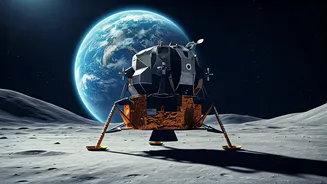
The successful completion of the Artemis II mission marks a significant milestone in NASA's ambitious plans for lunar exploration and beyond. By proving the capabilities of deep space communication and data return, Artemis II has effectively paved the way for even grander objectives. NASA is now actively preparing for the subsequent missions in the Artemis program, specifically Artemis III and Artemis IV. These future missions are designed to push the boundaries of human presence on the Moon, including landing astronauts near the lunar south pole and establishing a sustainable presence. The lessons learned and technologies tested during Artemis II are crucial stepping stones, ensuring that the program can progress safely and effectively towards its ultimate goal of returning humans to the Moon and eventually venturing further into the solar system.