








Thrust Issue Strikes
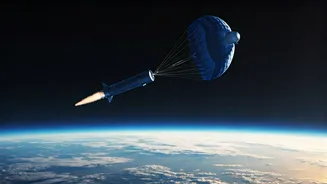
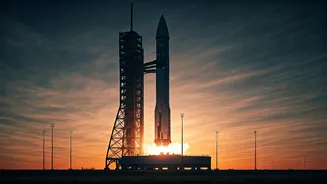
On April 19, 2026, Blue Origin's powerful New Glenn rocket encountered a serious thrust problem during its third operational mission. While the primary
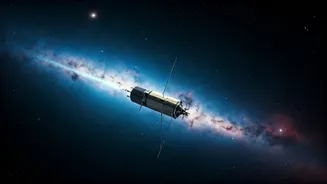
booster segment achieved a safe landing, a malfunction in one of the engines prevented the satellite it carried from reaching its intended orbital trajectory. Consequently, the valuable payload was lost. This unexpected technical difficulty has prompted a swift response from aviation authorities.
FAA Mandates Pause
Following the incident, the Federal Aviation Administration (FAA) has officially placed a hold on all subsequent New Glenn flights. This regulatory action is standard procedure when significant anomalies occur, necessitating a thorough investigation to understand the root cause of the thrust issue. The FAA's pause underscores the seriousness of the situation and the commitment to ensuring the safety and reliability of future launches before operations can resume.
Project Delays Loom
This setback for the New Glenn program carries considerable weight, potentially impacting several high-profile space initiatives. Among the affected projects are the deployment of Amazon's constellation of Low Earth Orbit (LEO) satellites, which rely on the rocket's robust launch capabilities. Furthermore, Blue Origin's own lunar ambitions, particularly the Blue Moon lunar lander program crucial for NASA's Artemis missions, face potential delays. Both the Blue Moon MK1 and MK2 variants are integral to future lunar exploration plans, making this propulsion issue a significant hurdle.
Company's Response
Blue Origin is actively engaged in addressing the technical challenge that led to the mission's partial failure. The company has stated its dedication to rectifying the engine glitch and is working diligently to maintain its ambitious launch schedule. While navigating the complexities of the investigation and repairs, Blue Origin remains focused on overcoming this obstacle and continuing its pursuit of groundbreaking spaceflight objectives.