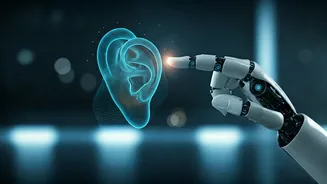








Real-Time Emotion Insight
In today's fast-paced professional environments, maintaining emotional equilibrium is paramount for sustained productivity. Artificial intelligence is emerging
as a powerful ally, offering novel approaches to identify, manage, and uplift emotional states. This enables individuals to better cope with workplace pressures, alleviate cognitive strain, and sharpen their focus. Current research highlights how AI tools can interpret data from sources like wearable devices, vocal nuances, and workplace interactions to deliver tailored support, effectively transforming potential burnout into optimal performance. By analyzing physiological indicators such as heart rate variability and vocal characteristics, AI systems can provide immediate assistance, including guided relaxation techniques and mindfulness exercises. For instance, AI-powered chatbots offer discreet mental health support by analyzing user input to suggest specific stress-reduction methods during demanding tasks. Studies suggest that these interactive tools are effective in reducing stress by offering simulated scenarios for emotional regulation.
Tailored Wellness Integration
Wearable technology plays a crucial role in this AI-driven approach to well-being by continuously monitoring key health metrics like sleep patterns, physical activity, and heart rate. This real-time data allows AI to generate personalized recommendations for ideal work-rest schedules and essential self-care breaks. Within the workplace, certain AI systems are even equipped to analyze voice patterns during meetings, identifying signs of fatigue or emotional distress. These systems can then prompt users to take short breaks, such as a brief walk, which have been demonstrably shown to significantly improve engagement levels. Furthermore, AI facilitates the personalization of mindfulness sessions, ensuring they integrate smoothly into daily routines and enhance concentration. Emotionally intelligent AI assistants can also review the tone of emails, suggesting more empathetic phrasing to prevent misunderstandings and smooth over potential conflicts. Generative AI tools can also streamline planning by creating prioritized task lists, highlighting urgent items alongside dedicated slots for self-care activities.
Advanced Cognitive Support
Beyond immediate stress management, cutting-edge AI frameworks are exploring neuro-economic optimization models that leverage electroencephalogram (EEG) data. These sophisticated AI agents can actively modulate distractions by employing adaptive gamification techniques and managing cognitive load. Such advanced models are capable of simulating various work scenarios, intelligently prioritizing tasks based on an individual's current emotional state. This innovative approach not only leads to substantial improvements in productivity metrics but also actively promotes mental well-being through the implementation of effective task management strategies. By understanding and adapting to a user's cognitive and emotional landscape, AI can create a more supportive and efficient work environment.