





AI-Powered Forecasting Boost
The India Meteorological Department (IMD) is embarking on a significant transformation by integrating advanced Artificial Intelligence (AI) and Machine
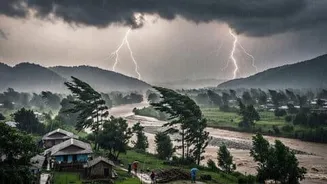
Learning (ML) technologies into its forecasting operations. This strategic move aims to enhance the precision, speed, and localization of weather predictions. The ultimate goal is to provide alerts that are granular enough to reach individual panchayats or even villages, especially for critical events like heavy rainfall and storms. By harnessing over a century of historical weather data and implementing cutting-edge tools such as the Bharat Forecast System and sophisticated AI/ML models like Mithuna-FS, the IMD anticipates a substantial improvement in predicting severe weather phenomena. Projections indicate a potential increase of approximately 30% in the accuracy of extreme rainfall forecasts, a vital enhancement for planning various activities, particularly those held outdoors.
Faster Updates, Farmer Alerts
The modernization of India's weather forecasting infrastructure is rapidly accelerating. With 39 Doppler radars now providing extensive coverage across the nation, coupled with the power of supercomputers, forecast generation times have been dramatically reduced. Weather updates that once took up to 12 hours are now being produced in a mere 3 to 6 hours, ensuring that crucial information reaches the public much faster. This enhanced speed and accessibility are particularly beneficial for the agricultural sector. Farmers are now receiving timely and relevant weather alerts through dedicated mobile applications like Meghdoot and Mausam, as well as platforms such as Mausam gram. These digital tools empower farmers to make more informed and strategic decisions regarding their crops, optimizing planting, harvesting, and resource management based on real-time weather intelligence.