





Music Meets Motion
The fitness technology landscape is rapidly evolving, with AI at the forefront of revolutionizing how individuals stay motivated during their physical
activities. Advanced applications are now capable of generating bespoke music playlists, intricately tailored to each user's unique workout patterns. By diligently analyzing crucial performance indicators such as running pace and real-time heart rate, these intelligent systems skillfully synchronize the rhythm and tempo of the music to perfectly match your physical exertion. This creates a deeply immersive auditory environment that not only heightens your engagement but also significantly contributes to improving both your athletic performance and overall endurance. The era of generic, pre-made playlists is officially over, replaced by dynamic, AI-curated soundscapes that seamlessly adjust as you transition between different forms of exercise, from intense weightlifting and invigorating jogs to calming yoga sessions, ensuring you remain focused and energized throughout.
Smart Sound for Strength
One prominent example of this innovation is evident in fitness platforms that offer integrated AI playlist synchronization. These systems excel at harmonizing personalized strength training regimens with dynamically generated music selections. The AI achieves this by meticulously examining your past training data and assessing your current recovery status, thereby understanding your body's readiness and needs. To provide a rich and varied musical experience, these apps can connect with popular music streaming services like Spotify or Apple Music, selecting tracks whose beats per minute (BPM) align precisely with the cadence of your exercises and sets. During periods of progressive overload, where you're consistently increasing the challenge, the AI intelligently escalates the energy level of the music, introducing more high-octane tracks to fuel your drive as the weights become heavier and the effort intensifies.
Adaptive Rhythms for Effort
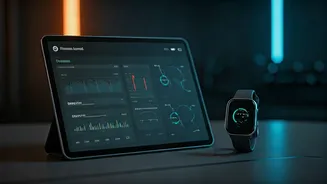
Another fascinating application of AI in fitness music involves applications that utilize biometric data gathered from wearable devices, alongside your workout history, to construct highly customized training plans. A particularly noteworthy feature of these platforms is their AI-driven playlist generation, which possesses the remarkable ability to modify the music in real time, dynamically adjusting to the intensity of your current session. If the AI perceives that a particular workout segment is proving to be too easy, it will seamlessly introduce more upbeat and peppy tunes to amplify your motivation and push you further. Conversely, if it detects signs of fatigue, indicating that you're tired, the music will gracefully transition to more calming, recovery-oriented tracks, helping you to maintain form and focus without overexertion.
Evolving Soundtracks for Progress
Creating training programs that continuously adapt based on your specific goals and ongoing performance is a key function of sophisticated AI fitness tools. One such system incorporates an AI playlist generator that crafts music flows specifically designed for each workout session, drawing from an extensive library of exercises. This intelligent system has the capability to adjust aspects like the number of repetitions, the weights used, and even the musical accompaniment after each workout concludes. Furthermore, it actively learns from your direct feedback, utilizing your input to refine and evolve the playlists over time, ensuring that the music remains a powerful and relevant motivator as you make consistent progress towards your fitness objectives.
High-Impact Tempo Sync
Beyond delivering precise guidance for weightlifting within brief workout sessions, some advanced fitness applications also integrate AI-curated playlists. These playlists are engineered to synchronize the tempo of the music directly with your targeted exertion levels. The primary aim of this feature is to enhance the effectiveness of short, high-impact workouts by meticulously selecting tracks that precisely match the intensity of the exercises being performed. By aligning music with exertion, this technology effectively works to prevent workout plateaus, significantly boost user motivation, and ensure that each training session remains both engaging and optimally effective for your individual progress.
Biometric Playlist Personalization
Leveraging data from devices like the Apple Watch, particularly metrics such as heart rate variability (HRV), is crucial for certain AI fitness applications to determine your workout readiness and personalize your music experience. On days when your recovery metrics indicate a high level of readiness, the app will suggest energizing beats designed to keep you pumped and consistently moving. Conversely, on days when your recovery is lower, it will recommend more calming tracks that are ideally suited for lighter, less strenuous sessions. This nuanced approach ensures that your workout experience is perfectly aligned with your body's current needs and capabilities, maximizing both enjoyment and effectiveness.