




Visualize with AI
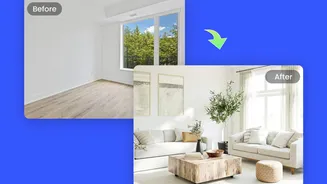
Transforming existing spaces into stunning new realities is now easier than ever with advanced AI visualization tools. Imagine taking a simple photograph,
a rough sketch, or even a basic drawing and seeing it rendered into a fully realistic 3D model. These digital previews allow homeowners and designers to experiment with a wide array of sustainable material options, such as low-VOC paints or furniture crafted from recycled components, before committing to purchases. This proactive approach helps in optimizing natural light within a space and correcting design flaws early on, thereby preventing costly returns and the environmental burden of rework. The capability to preview layouts with an emphasis on eco-friendly choices ensures that renovations align with sustainability goals right from the conceptual stage, making greener building practices more accessible and less prone to error.
Smart Material Planning
Accurately forecasting material needs is crucial for both budget management and waste reduction in any renovation. AI-powered systems are stepping in to streamline this complex process. By simply inputting project specifications through text, voice commands, or pre-defined templates—for example, detailing a bathroom renovation with specific tile requirements—these tools can instantly generate comprehensive material lists. Crucially, these lists often include real-time inventory data and pricing information, allowing for precise procurement. This intelligence minimizes the risk of overbuying materials, ensuring that only the necessary quantities are sourced, which directly supports sustainable procurement practices. Moreover, by providing accurate estimates, these tools help keep projects on track financially and within their designated timelines, contributing to overall project efficiency and reduced material waste.
Effortless Floor Plans
Creating precise and editable floor plans used to be a labor-intensive task, but AI is changing that narrative. Utilizing your smartphone's camera, you can now scan rooms and have AI generate accurate, digital floor plans in moments. These plans are not static; they are fully editable, allowing you to digitally reposition walls, add new fixtures, and map out renovation layouts with remarkable ease. This capability significantly reduces on-site measurement errors and the subsequent material waste that often results from inaccurate initial plans. By enabling users to meticulously plan energy-efficient configurations and visualize potential layout changes before any construction begins, these tools foster a more sustainable and efficient renovation process. They effectively cut down on unnecessary expenditures and minimize the environmental footprint associated with construction waste and rework.
Material Visualizer
Making informed decisions about materials is fundamental to both aesthetics and sustainability in home renovations. Innovative AI platforms empower users to visualize different material options directly within their existing spaces. By uploading a photograph of a room, you can then see side-by-side previews comparing various finishes, such as the visual impact of oak versus concrete flooring, rendered under the exact lighting conditions of your home. This iterative editing process drastically reduces the uncertainty and potential for purchase regret that often accompanies material selection. It speeds up the decision-making process, ensuring that choices align with your household's functional needs and aesthetic preferences while simultaneously minimizing the carbon footprint associated with trial-and-error changes and unnecessary material returns.
Interactive 3D Models
Bringing complex renovation ideas to life in a tangible way is now achievable through interactive 3D modeling powered by AI. These advanced tools generate accurately scaled 3D models of your spaces, complete with realistic lighting simulations and the ability to swap out materials. This functionality extends to both interior and exterior projects, offering a clear visualization of proposed changes. You can incorporate and assess sustainable design elements, such as passive solar heating strategies, and ensure that planned furniture or fixtures will fit perfectly within the space. By confirming precise dimensions and placement beforehand, these models help prevent the overproduction of items that might not fit, thereby reducing associated transportation emissions and waste. The integration of these capabilities makes planning eco-friendly renovations significantly more straightforward, promoting sustainability and enhancing overall project efficiency.