

The Buffet Dilemma
Attending an Indian wedding often means facing a culinary spectacle – a grand buffet with an overwhelming array of dishes. For many, the challenge isn't
just choosing what to eat, but how to enjoy the diverse spread without feeling excessively full. This common struggle inspired Bengaluru engineer Pankaj Tanwar to develop an innovative solution. Launched on February 6th, his AI tool, named BuffetGPT, aims to transform the buffet experience, ensuring guests can savor the most delightful options. The core idea is to provide a smart approach to plate-filling, allowing attendees to make informed decisions and maximize their enjoyment of the celebratory feast.
AI-Powered Plate Strategy
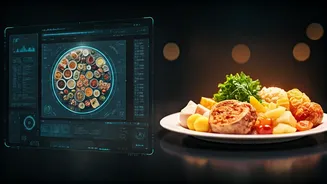
BuffetGPT operates on a simple yet ingenious principle: analyze a photograph of the buffet spread and provide personalized recommendations. The AI categorizes dishes, distinguishing between 'high-value' items—those typically rich in flavor and considered delicacies like Hyderabadi biryani—and 'fillers,' which are often staple dishes like dal makhani that can quickly satisfy hunger. Based on this analysis, the tool suggests an optimal plate composition. It advocates for filling half your plate with main courses and curries, dedicating about 15% to breads and side dishes, and leaving the remaining portion for delectable desserts. Furthermore, it offers tactical advice, such as prioritizing popular meat dishes early on and saving ample space for indulgent sweets like rasmalai.
Real-World Testing
The effectiveness of BuffetGPT was put to the test by its creator, Pankaj Tanwar, at a friend's wedding. He reported positive results, validating the tool's utility in a real-life festive scenario. An illustrative example shared online showcased BuffetGPT's analytical prowess by examining 13 distinct food items present at a wedding reception in Ahmedabad. The feedback received on social media has been overwhelmingly positive, with many users expressing enthusiasm for the practical assistance it offers. Some have even speculated about future integrations, such as incorporating this technology into smart glasses for an even more seamless and intuitive buffet navigation experience.