




Raptor Engine Ignition
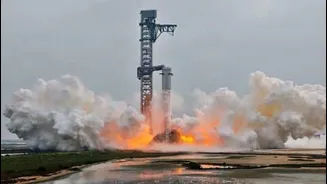
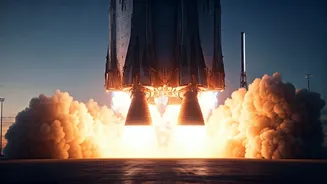
In a spectacular display of engineering prowess at Starbase, Boca Chica, SpaceX recently conducted a record-breaking test. The company successfully ignited
all 33 Raptor engines simultaneously on their newest iteration of the Super Heavy booster, designated V3. This event marks a pivotal moment in the ongoing development of reusable rocket technology. The sheer force generated by this full engine firing is immense, producing millions of pounds of thrust. This powerful demonstration underscores the significant progress SpaceX is making towards its ambitious goals of enabling interplanetary travel and establishing a sustainable presence on celestial bodies like the Moon and Mars. The V3 booster itself has been engineered with a strong emphasis on enhanced reliability and the crucial ability to be reused, which are cornerstones of making space exploration more accessible and economically viable in the long run. This test is a direct precursor to the next critical flight test of the full Starship system, bringing humankind's dreams of deep space exploration closer to reality.
Starship's Lunar Ambitions
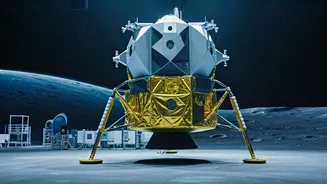
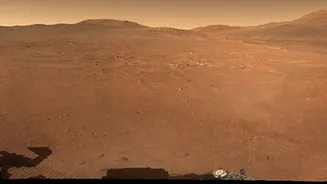
When this formidable Super Heavy V3 booster is paired with the Starship upper stage, the resulting rocket system becomes the largest and most powerful ever conceived by humankind, reaching an astonishing height of nearly 400 feet. This colossal vehicle is not just about raw power; it represents a fundamental shift in how we approach space travel. NASA, in particular, has set its sights on utilizing a specially adapted version of Starship for its upcoming Artemis missions. The agency's overarching objective is to land astronauts back on the lunar surface later in this decade, a feat that would signify a monumental leap forward in humanity's journey into space. This renewed focus on lunar exploration, with Starship as a key enabler, is paving the way for future endeavors that could extend even further, including the ambitious goal of establishing a human presence on Mars. The reliability and reusability built into the Super Heavy V3 are directly contributing to the feasibility of these long-term, large-scale space exploration objectives.