




Helium Flow Hiccup
The highly anticipated Artemis II mission, humanity's next giant leap towards returning to the Moon, is facing an unexpected delay stemming from a technical
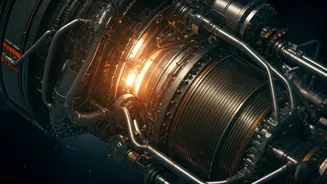
snag involving the rocket's helium system. This crucial system is designed to pressurize the fuel tanks and also aids in purging the engines. During routine diagnostic checks, engineers identified an anomaly where the helium wasn't circulating as intended. Curiously, this same system had performed without fault during earlier full-scale dress rehearsals, known as WDR1 and WDR2. However, it's worth noting that a prior attempt at a wet dress rehearsal was prematurely halted due to an unrelated sensor alert flagging a liquid hydrogen leak, highlighting the meticulous nature of pre-launch preparations and the various challenges that can arise.
Rollback to VAB
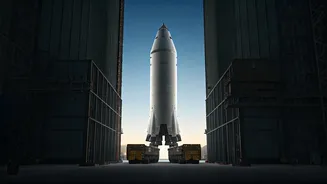
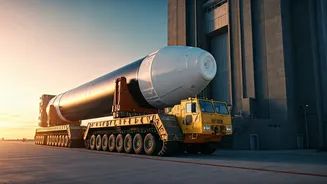
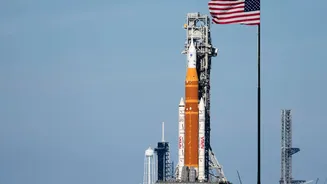
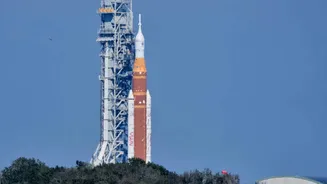
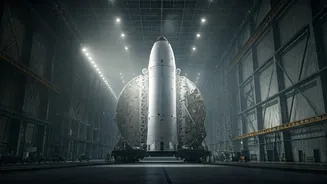
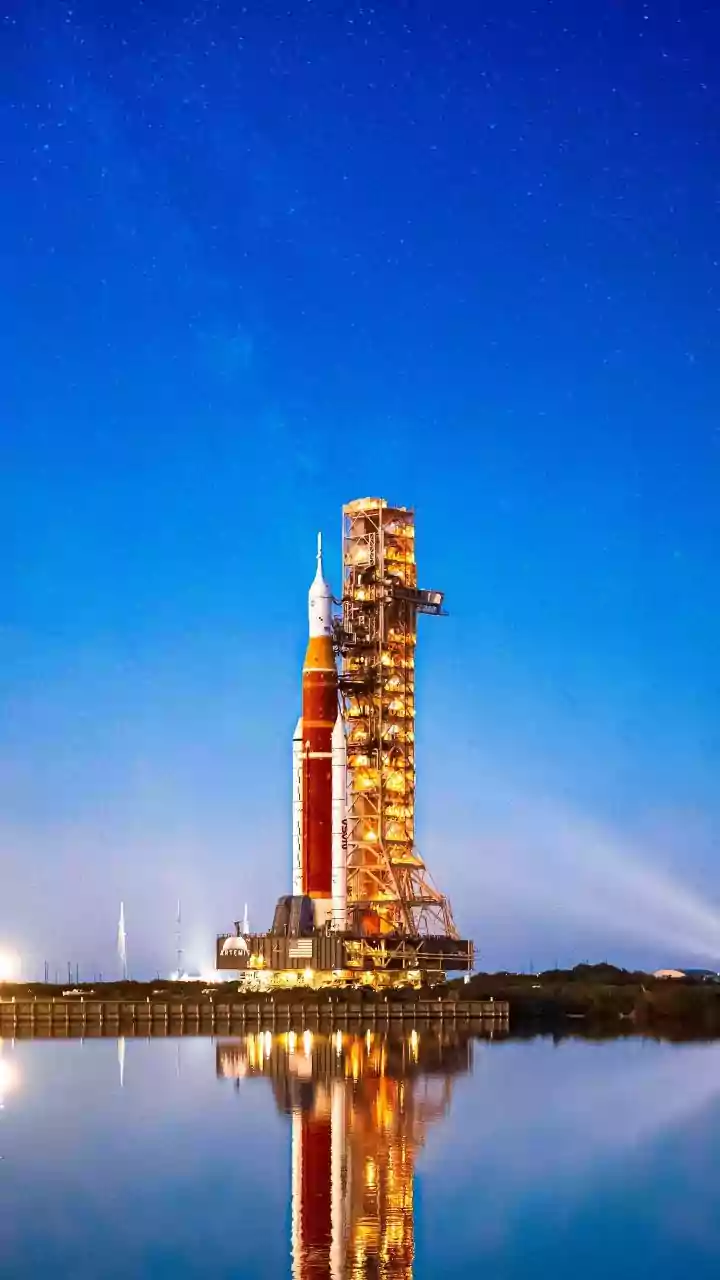
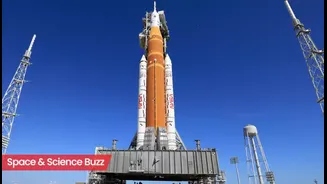
In response to the discovered helium flow issue, NASA has made the strategic decision to carefully transport the Artemis II rocket back from its launch pad to the expansive Vehicle Assembly Building (VAB). This rollback is a familiar procedure, as a similar corrective action was undertaken for the preceding Artemis I mission. The agency is targeting completion of this complex move by February 24th, though adverse weather conditions could potentially introduce further scheduling complications. This intricate process requires careful handling and precise execution to ensure the rocket's integrity and safety before repairs commence.
Revised Launch Timeline
The original launch date for Artemis II, scheduled for March 6th, has now been officially postponed. The current projection aims for an early April liftoff, contingent on the successful and timely resolution of the helium system repairs. This adjustment follows closely on the heels of earlier concerns regarding hydrogen leaks that surfaced earlier in the month, underscoring the rigorous and iterative nature of space mission development. Each iteration and delay, while frustrating, ultimately contributes to a safer and more robust mission profile for the astronauts involved.
Historic Lunar Journey
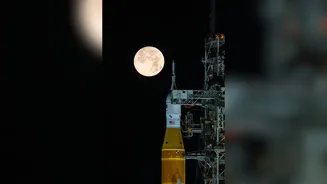
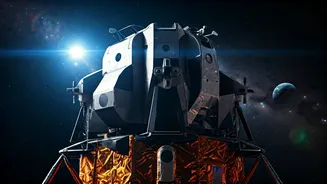
Artemis II is poised to make history by carrying four astronauts on an ambitious journey around the Moon. This mission marks the first time humans will venture that far from Earth since the Apollo program concluded in 1972. The crew's lunar flyby is a significant step in NASA's broader plan to establish a sustainable presence on the Moon and eventually embark on crewed missions to Mars. The anticipation for this groundbreaking voyage is immense, and the current delays, while necessary for safety and mission success, only serve to heighten the excitement for this monumental return to deep space exploration.