






Eclipse Timing and Visibility
On February 17, 2026, the cosmos presents a rare 'ring of fire' solar eclipse, an event that captivates skygazers. The spectacle begins its partial phase
at 9:57 AM UTC. For a significant portion of the Sun to be obscured, reaching approximately 92.5% coverage at its zenith, observers will need to be situated in Antarctica. However, the mesmerizing partial views will also extend to the southern extremities of South America, southern Africa, and the surrounding oceanic expanses. This wide reach ensures that a considerable part of the globe can partake in witnessing this astronomical marvel, even if not directly under the path of totality.
The 'Ring of Fire' Experience
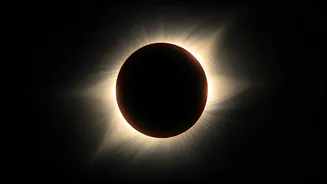
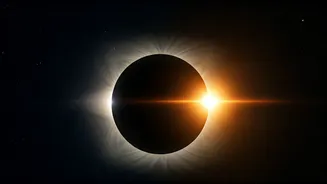
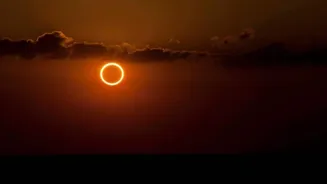
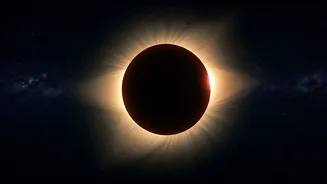
The most awe-inspiring phase, the 'ring of fire' itself, where the Moon perfectly encircles the Sun creating a luminous halo, will be predominantly visible across central Antarctica. This unique phenomenon is slated to occur between approximately 11:43 AM and 12:41 PM UTC. The peak of this visual splendor, where the ring is most pronounced, will last for about two minutes and 20 seconds. Within Antarctica, the prime viewing locations for this full annular display are the Concordia and Mirny research stations. These remote outposts will be perfectly positioned to witness the Sun transformed into a radiant celestial donut.
Partial Views and Safety First
While the full 'ring of fire' is reserved for Antarctica, enthusiasts in diverse locations such as Chile, Argentina, Mozambique, Madagascar, and South Africa will have the opportunity to witness a partial solar eclipse, provided the skies are clear. It is paramount to remember that direct observation of any solar eclipse demands stringent safety precautions. Standard sunglasses are utterly insufficient for protecting your eyes from the Sun's intense radiation. Always, without exception, utilize certified eclipse glasses or appropriate solar filters to safeguard your vision. For precise local timings tailored to your specific location, consulting dedicated astronomical resources like TimeandDate.com's eclipse tracker is highly recommended.