




Pain Relief Insights
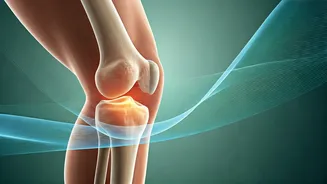
Recent extensive research, involving nearly 13,000 individuals, has shed light on the impact of physical activity on osteoarthritis pain. The findings
indicate that while exercise does offer some alleviation of discomfort, its effectiveness is quite limited. Furthermore, the relief experienced tends to be transient, meaning it doesn't persist over extended periods. When contrasted with alternative interventions such as non-steroidal anti-inflammatory drugs (NSAIDs) or surgical procedures, the degree of pain reduction attributed to exercise appears relatively minor. This suggests that for solely targeting acute pain reduction, exercise might not be the most potent solution available, prompting a closer look at its other advantages.
Beyond Pain: Broader Gains
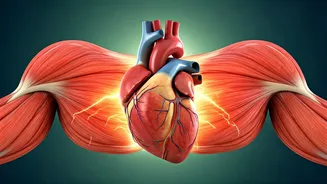
Despite the modest outcomes in direct pain relief, seasoned medical professionals like Dr. Sandeep Nagar strongly advocate for continuing physical activity for those with osteoarthritis. They emphasize that exercise's true value lies in its ability to enhance daily life in numerous indirect ways. Engaging in regular movement can significantly improve overall mobility, making everyday tasks easier and more fluid. This increased physical capability often translates to a greater sense of confidence and independence. Moreover, maintaining an active lifestyle is a cornerstone of effective weight management, a crucial factor in reducing stress on joints. It also plays a vital role in bolstering cardiovascular health, contributing to a healthier heart. Crucially, these considerable health advantages are achieved without the potential risks and side effects associated with the long-term use of medications.