





AI's Unseen Stratification
The swift advancement of artificial intelligence is inadvertently fostering a new kind of division within professional environments. Xiaoyin Qu, formerly
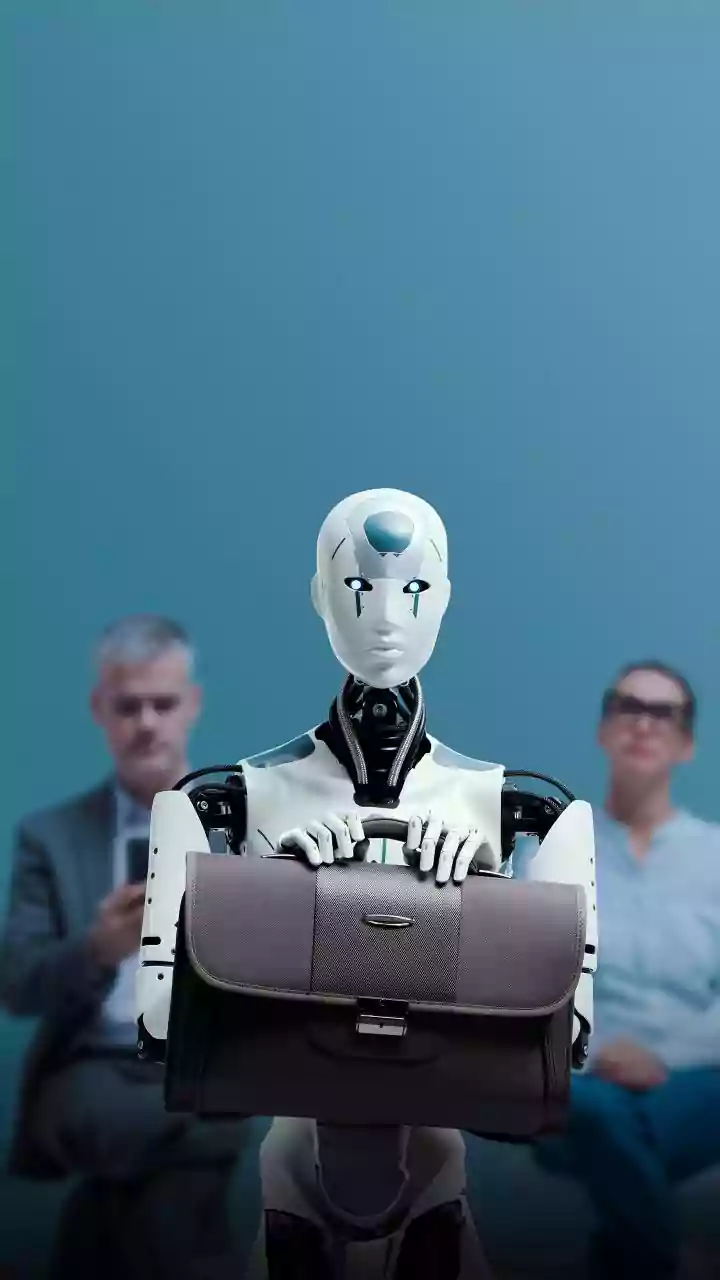
a product manager at Meta, has brought attention to a concerning trend where individuals, despite possessing comparable skills and shared professional histories, are finding themselves categorized into vastly different performance groups within a remarkably short period. This isn't a distant, speculative problem; it's a present reality manifesting in the workplace, causing colleagues to observe friends and peers being rapidly sorted. The speed at which this segmentation occurs is particularly alarming, transforming the professional landscape in a matter of months. It highlights a fundamental shift in how human contribution is assessed against the backdrop of rapidly evolving AI capabilities.
Devaluing Human Potential
The implications of AI's integration are becoming profoundly apparent in how we perceive and react to employee performance. Qu emphasizes a critical and unsettling change in mindset: when an individual's output falls short of what AI can achieve, the immediate reaction is no longer a consideration for additional training or development. Instead, there's a swift, almost absolute, reassessment of their value. This perspective doesn't just see them as underperforming; it renders them as having 'zero' worth, a stark and absolute dismissal. This radical shift diminishes the perception of human potential, moving from a belief in growth and improvement to an immediate judgment of obsolescence when compared to artificial intelligence. This mentality has a significant impact on employee morale, career progression, and the overall culture of organizations grappling with AI adoption.