






Lunar Reconnaissance Drones
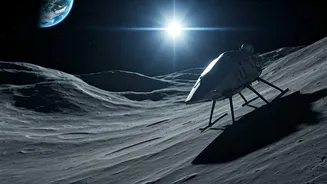
NASA is charting a new course for lunar exploration with its groundbreaking MoonFall mission. This initiative will deploy sophisticated drone technology
to meticulously scout the challenging terrain of the Moon's south pole. The primary objective is to gather essential data and insights before astronauts embark on their return journey in 2028. These aerial explorers are drawing inspiration from the success of Ingenuity, the Mars helicopter, adapting its advanced capabilities for the lunar environment. Each drone is slated to cover approximately 48 kilometers, meticulously documenting the surface and identifying potential hazards or points of interest. This ambitious project is under the capable leadership of Ray Baker at the renowned Jet Propulsion Laboratory, signaling a significant step forward in robotic lunar exploration and preparation for sustained human presence on the Moon.
Mission Timeline & Development
The development and deployment of the MoonFall mission are progressing with a clear roadmap and ambitious timelines. NASA intends to finalize partnerships with industry leaders by June 2026, a crucial step in securing the necessary expertise and resources. Simultaneously, the foundational hardware for these lunar drones is already undergoing development, with vital sensor tests scheduled to take place throughout the current year. The intricate process of integrating all components of the spacecraft is anticipated to be completed by the late summer of 2027. Following this, the mission hardware will be transported to the launch site, with the ultimate goal of delivery in 2028. This phased approach underscores NASA's commitment to a well-orchestrated and efficient mission execution, leveraging innovative drone technology to significantly mitigate both the financial outlay and the inherent risks associated with future crewed lunar expeditions.