



Starship's Lunar Leap
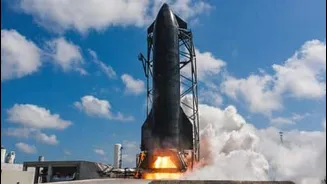
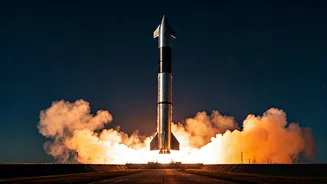
In a significant engineering feat, the latest iteration of SpaceX's colossal Starship, designated V3, has successfully completed a full-duration static
fire test of its powerful engines. This achievement marks a crucial advancement for the approximately 400-foot-tall rocket, which is poised for its maiden flight expected in early to mid-May. Equipped with cutting-edge Raptor engines, this formidable launch system boasts an impressive payload capacity, capable of transporting over 100 tons to low Earth orbit. Its development is fundamental to NASA's ambitious agenda for reintroducing astronauts to the lunar surface, underscoring its pivotal role in future space endeavors.
Beyond Earth Orbit
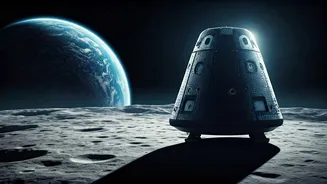
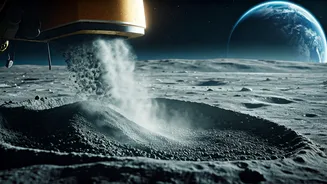
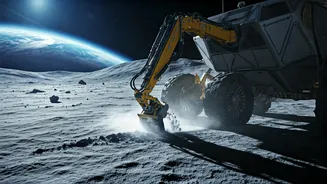
The Starship V3 represents far more than just another rocket; it is engineered to serve as the primary crewed lunar lander for NASA's Artemis program. Following the Artemis 2 mission, NASA intends to rigorously test crucial docking procedures within Earth's orbit during the Artemis 3 phase. This will involve the Orion spacecraft and at least one of the contracted lunar landers, which include SpaceX's Starship and Blue Origin's Blue Moon. This strategic partnership solidifies SpaceX's indispensable position in the unfolding narrative of human exploration of the Moon, highlighting their innovative capabilities and commitment to pioneering space travel.
Engineering Resilience
This recent successful test of the Starship V3 is a testament to the company's remarkable engineering prowess and its ability to overcome challenges. Following an earlier setback, SpaceX has demonstrated its knack for implementing crucial design and operational upgrades, effectively putting the project back on its intended trajectory. The full-duration static fire ensures that the intricate propulsion system is not only capable of sustained operation but also performs reliably under demanding conditions. This renewed progress significantly bolsters confidence in the rocket's readiness for its upcoming debut and its long-term potential for deep space missions.