







Smart Watering Systems
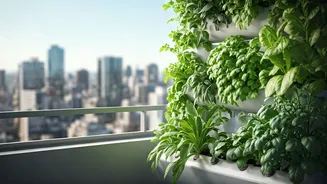
Imagine a garden that waters itself perfectly! AI-driven smart irrigation systems are a game-changer for urban plots, especially those with limited space
like balconies or rooftops. These intelligent systems continuously gather data from soil moisture sensors, analyze real-time weather forecasts, and understand the specific hydration needs of your plants. Based on this comprehensive analysis, they automatically adjust watering schedules, ensuring your plants receive just the right amount of water. This meticulous approach prevents both overwatering, which can lead to root rot and fungal diseases, and underwatering, which stresses plants and reduces yields. The result is significant water conservation, with these systems capable of saving up to 50% of water compared to traditional methods. They are particularly beneficial for hydroponic setups and container gardens, seamlessly integrating with IoT hubs for completely hands-free operation. By promoting practices like no-dig beds, these systems also contribute to a more regenerative approach to urban soil management.
Plant Health Monitoring
Keeping a close eye on your plants' well-being is now incredibly simple thanks to AI-powered applications. These innovative apps utilize advanced image recognition technology, allowing you to simply snap a photo of your plant. The AI then meticulously scans the image to detect early signs of trouble, such as the presence of pests, the onset of diseases, or indications of nutrient deficiencies. Once a problem is identified, the app provides tailored recommendations for natural, chemical-free remedies, guiding you toward eco-friendly solutions. Beyond visual inspection, these apps can also integrate with connected sensors to continuously track crucial environmental factors like humidity and light levels, while also monitoring your plants' growth progress in real-time. This makes them an invaluable asset for various urban gardening setups, from bustling vertical farms that maximize limited vertical space to small, cherished edible gardens nestled within apartment living areas.
Automated Greenhouse Control
For those with compact urban greenhouses, AI-optimized controllers offer an unprecedented level of environmental management. These sophisticated systems take charge of critical parameters such as temperature, humidity, and lighting, while also regulating CO2 levels. Employing predictive analytics, they fine-tune these conditions to not only maximize crop yields but also drastically minimize energy consumption. These intelligent tools possess the foresight to anticipate potential issues, such as an impending pest infestation, and can automatically adjust ventilation systems to counteract such threats. This proactive approach is particularly advantageous for facilitating continuous, year-round production of fresh produce, like salads, even within confined urban spaces, ensuring a consistent supply of greens.
Soil Quality Analysis
Understanding and improving your soil is fundamental to successful gardening, and AI is making this more precise than ever. Tools like SQAT combine cutting-edge satellite data with advanced robotics and artificial intelligence to generate highly detailed soil maps specifically for urban raised beds. This granular data enables gardeners to apply nutrients with exceptional accuracy, ensuring that plants receive precisely what they need without excess. Furthermore, these systems can optimize liming and seeding processes, which is crucial for minimizing fertilizer runoff – a common environmental concern in urban settings. By precisely managing soil inputs, these AI tools not only enhance plant health and yield but also actively contribute to carbon sequestration, playing a vital role in promoting robust and sustainable soil health within city environments.
AI Design and Planning
Planning the perfect urban garden is now an art guided by intelligence. AI design and predictive planning software takes into account a multitude of factors, including your local climate conditions, specific soil characteristics, and the spatial constraints of your available area. Based on this comprehensive analysis, the software recommends a selection of drought-resistant, native plants that are best suited for low-maintenance urban landscapes. It goes a step further by simulating plant growth patterns, allowing you to visualize how your garden will develop over time. Moreover, these tools optimize garden layouts to actively promote biodiversity. Many even include automated features, such as voice-command pest control measures, further simplifying the gardening process and ensuring a thriving, sustainable urban ecosystem.