





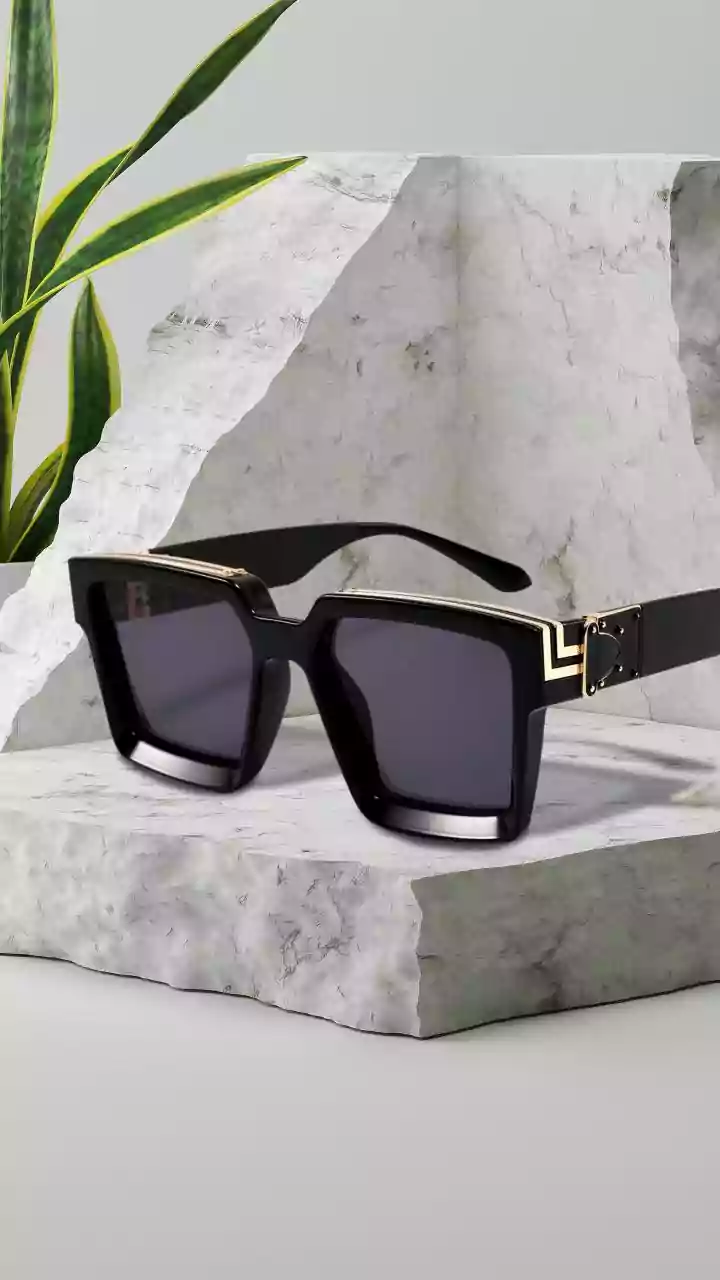


A New Era of Eyewear
In an exciting development poised to reshape the wearable technology landscape, a major tech company is forging a strategic alliance with a celebrated
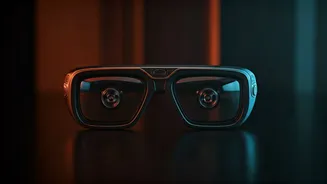
luxury fashion brand. The objective is to co-create a new generation of AI-driven smart glasses, with an anticipated market debut sometime in the year 2027. This venture signifies a deliberate effort by the tech giant to imbue its smart eyewear with a heightened sense of style and desirability, aiming to make these devices more attractive to a broader consumer base. This initiative is part of a larger strategy that also includes the planned release of their first Android XR glasses, codenamed 'Project Aura', later this year. These 'Project Aura' glasses are expected to feature a design reminiscent of existing smart eyewear but will incorporate robust, dark plastic frames, signaling a distinct aesthetic direction for their initial offerings in this space.
Lessons From the Past
The forthcoming release of 'Project Aura' marks a significant milestone, representing the company's second significant foray into the smart glasses market. This follows a challenging experience with their initial smart glasses offering over a decade ago, which did not achieve widespread adoption. The company has also explored similar avenues in the past year, announcing collaborations with other eyewear brands to develop distinct smart glasses projects. However, the current partnership with a major luxury fashion house, backed by one of the world's leading luxury conglomerates, represents a substantial elevation in profile and ambition compared to these earlier ventures. This high-profile alignment suggests a renewed commitment to overcoming previous hurdles and establishing a strong presence in the smart eyewear sector.
The Fashion Factor
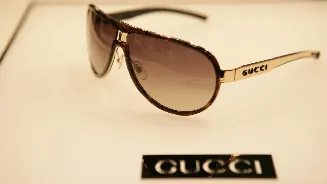
The strategic decision to collaborate with a premium fashion label is a key component of the tech company's broader strategy to enhance the marketability and appeal of its smart glasses. Industry leaders have recently commented on the potential perception challenges associated with technology brands directly associated with personal devices worn on the face. By engaging in partnerships with esteemed fashion houses, technology firms can effectively leverage a different, more desirable brand identity for their eyewear. This approach allows them to place a recognized and respected fashion name onto their smart glasses, thereby attracting a wider audience who prioritize style and brand prestige alongside technological innovation. It's a calculated move to shift the narrative from purely utilitarian tech to a covetable fashion accessory.
A Premium Proposition
The smart glasses resulting from this collaboration are positioned as a high-end offering, drawing parallels to other successful instances where luxury brands have lent their names to consumer electronics. A prime example is the premium edition of a popular smartwatch, which has consistently commanded a price point well over a thousand dollars since its inception, thanks to its association with a renowned fashion house. While specific design details for these upcoming smart glasses remain undisclosed, and it's unclear how they might visually differentiate themselves from other smart eyewear aside from their unique styling, this partnership with a top-tier fashion entity signifies a considerable step up from previous collaborations. It indicates an ambition to create a product that merges cutting-edge technology with exclusive, aspirational design.