







Smart Cart Magic
Imagine your grocery shopping being done in a flash! Uber Eats has unveiled a groundbreaking AI feature, currently in its beta phase, designed to dramatically
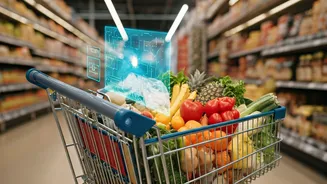
simplify and accelerate the process of filling your virtual shopping cart. This innovative tool, dubbed 'Cart Assistant,' is readily accessible within the app. To initiate its magic, users simply need to navigate to their chosen grocery store via the Uber Eats application and then activate the distinctive purple Cart Assistant icon displayed on the store's dedicated page. This intelligent assistant then takes over, transforming the chore of grocery selection into an effortless experience. It's a significant leap forward, aiming to save valuable time for busy shoppers by automating much of the manual effort typically involved in building a grocery order from scratch.
Your List, Automated
The Cart Assistant offers remarkable flexibility in how you initiate your grocery order. You can either type out a comprehensive list of the items you need, or for even greater convenience, you can upload an image. This image could be anything from a neatly handwritten grocery note to a screenshot of a recipe you plan to make. Once the list or image is processed, the AI automatically populates your virtual basket with the identified products. What's particularly clever is its ability to factor in ongoing deals and promotions, ensuring you get the best value. After the initial automated filling, you retain full control. You can easily review and customize your basket, perhaps swapping out a particular brand for a preferred one or adding extra items that catch your eye, all before you proceed to checkout. This blend of automation and user control ensures a tailored shopping journey.
Personalized Picks
Beyond simply adding items, the Cart Assistant is designed to make your shopping experience uniquely yours through advanced personalization. It intelligently analyzes your past order history to prioritize items you frequently purchase. This means your usual brand of milk or your go-to breakfast cereal will be suggested and added automatically, making it feel like the app truly knows your preferences. This thoughtful approach to personalization stems directly from user feedback, as highlighted by Uber's CTO, Praveen Neppalli Naga. He explained that the primary goal behind this new feature was to address the expressed desire from users for a quicker and more intuitive way to shop, acknowledging the immense value of their time in today's fast-paced world. This focus on familiar items ensures a more comfortable and efficient shopping trip every time.
Market Edge
The introduction of the Cart Assistant positions Uber Eats as a formidable player in the increasingly competitive landscape of food delivery and grocery applications. By integrating such advanced AI capabilities, the company aims to gain a significant advantage over its rivals. Competitors like Instacart and DoorDash are also actively exploring or have already implemented AI-driven features, including AI chatbots, to enhance their services. This trend underscores a broader industry shift towards leveraging artificial intelligence to improve customer convenience and operational efficiency. The ongoing efforts by delivery platforms to incorporate AI, such as the integration of ChatGPT by both Uber Eats and DoorDash for more streamlined food ordering last year, clearly indicate a strategic push towards innovation in this sector.
Broader AI Vision
The development of Cart Assistant is merely one facet of a much larger and ambitious strategy by Uber Eats to embed artificial intelligence across its entire ecosystem. The company is making substantial investments in a variety of AI tools, extending beyond customer-facing features. For instance, they are developing AI solutions for merchants, which include automated generation of compelling menu descriptions, enhancement of food photography to make dishes more appealing, and sophisticated summarization of customer reviews. This comprehensive approach demonstrates a clear vision to utilize AI not only to elevate the user experience for consumers but also to streamline and optimize various operational aspects of their business, from merchant support to logistical improvements, thereby enhancing the overall platform's effectiveness and appeal.