







Whale Protein's Healing Power
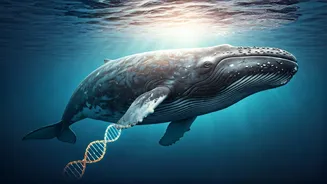
Scientists have identified a groundbreaking protein in bowhead whales, known as CIRBP, which exhibits exceptional abilities in mending damaged DNA. This
protein is produced at significantly higher concentrations in these whales compared to other mammals. The research, featured in the esteemed journal Nature, highlights how CIRBP plays a crucial role in cellular resilience. Unlike many other creatures, bowhead whale cells seem to possess an innate advantage in maintaining their genetic integrity, requiring fewer mutations to initiate cellular changes. This enhanced DNA repair capability is directly linked to mitigating the effects of aging and preventing the onset of various diseases, suggesting a profound biological mechanism for their extended lifespan.
Protecting the Blueprint of Life
The CIRBP protein acts as a guardian for the fragile ends of DNA, ensuring that the intricate process of repair is carried out with remarkable precision. By minimizing errors during repair, it significantly reduces the accumulation of cellular damage over time, a key factor in aging and disease development. This meticulous upkeep of genetic material is a cornerstone of the bowhead whale's longevity. When researchers introduced this powerful whale protein into fruit flies, they observed a notable extension in the flies' lifespans and a remarkable increase in their tolerance to radiation. This suggests that the benefits of CIRBP are not exclusive to whales and may hold broad applicability across species.
Cold Triggers and Future Hope
Intriguingly, the production of CIRBP in human cells can be spurred by cooler temperatures, as the protein is described as 'cold-inducible.' Bowhead whales, living in frigid Arctic waters, naturally maintain very high levels of CIRBP. This observation sparks exciting possibilities for future human health interventions. Researchers are exploring whether we could one day enhance our own CIRBP levels through advanced genetic engineering or even by adopting lifestyle modifications, such as embracing cold exposure. The enhanced DNA repair system in bowhead whales also offers an explanation for Peto's Paradox, shedding light on why larger animals, like whales, don't necessarily experience a higher incidence of cancer despite having more cells.