







Revolutionary Home Screening
Scientists have developed an innovative approach to identifying an individual's susceptibility to Alzheimer's disease, all within the comfort of their
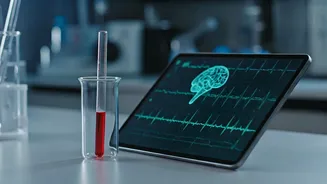
own home. This novel screening method cleverly integrates an online-based cognitive assessment with a straightforward finger-prick blood sample. The aim is to detect specific biological indicators that are closely associated with the progression of cognitive decline, thereby offering a convenient and non-invasive way to gauge risk. The significance of this development lies in its potential to democratize early Alzheimer's detection, a crucial step given that a vast number of individuals experiencing initial symptoms often do not seek professional medical consultation. The researchers envision this test as an affordable solution, capable of facilitating widespread screening initiatives and fostering a proactive stance on neurological well-being for a broader population segment.
Accessibility and Future Insights
This pioneering at-home test is designed with accessibility as a core principle, addressing a significant gap in current Alzheimer's diagnosis protocols. By eliminating the necessity for a clinical appointment, it removes a common barrier for many individuals who might otherwise delay or forgo essential checks. The affordability factor is also a key consideration, paving the way for its potential widespread adoption in screening programs. Researchers are actively encouraging participation in their ongoing study, specifically inviting individuals aged 40 and above. This inclusive approach to data collection is vital for refining the accuracy and effectiveness of the test, ultimately contributing to more precise early identification of Alzheimer's risk and laying the groundwork for future interventions and personalized brain health strategies. The collaborative effort aims to build a more comprehensive understanding of how to best support long-term cognitive health.