







Smart Monitoring Systems
Artificial intelligence is rapidly becoming an indispensable ally in the critical mission of wildlife conservation. By meticulously processing massive
datasets gathered from a diverse array of sources—including camera traps, aerial drones, and various environmental sensors—AI offers unprecedented capabilities for safeguarding endangered species and preserving vital habitats in real-time. This technological leap is proving instrumental in a wide range of conservation efforts, from bolstering anti-poaching initiatives to conducting accurate population assessments. The actionable insights generated by these sophisticated AI tools, often showcased through compelling global case studies, empower conservationists to make more informed and effective decisions. These decisions are crucial for confronting the escalating threats posed by illegal poaching activities, rampant habitat destruction, and a multitude of other dangers that imperil biodiversity across the globe.
EarthRanger's Vigilance
EarthRanger, a pioneering platform developed collaboratively by AI2 and Vulcan Inc., stands at the forefront of real-time wildlife monitoring. This innovative system adeptly integrates data streams from GPS-equipped animal collars, strategically placed camera traps, and essential field reports submitted by rangers. All this information is consolidated into a user-friendly dashboard, providing an immediate and comprehensive overview of wildlife activity and potential threats. In regions like South Africa and Southeast Asia, EarthRanger has demonstrated remarkable success in predicting and deterring poaching incidents. Leveraging the power of NVIDIA-accelerated machine learning, the platform also diligently tracks individual rhinos and forecasts the movements of elephant herds as they approach human settlements. Such predictive capabilities are vital for preventing damaging crop raids and minimizing human-wildlife conflict, thereby reducing retaliatory killings. Furthermore, EarthRanger significantly enhances patrol planning for vast protected areas, such as the renowned Serengeti National Park, ensuring ranger resources are deployed with maximum efficiency.
TrailGuard for Anti-Poaching
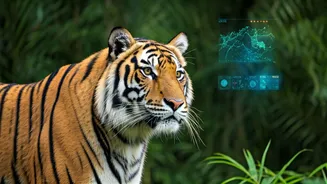
The TrailGuard AI camera system represents a significant advancement in the ongoing battle against poaching. These sophisticated devices are engineered to instantaneously identify a wide range of subjects, including specific animal species, human presence, and vehicular traffic. Upon detection, the system immediately dispatches alerts to rangers via satellite communication, enabling rapid response to potential threats. Deployed in diverse environments, from the expansive Yellowstone National Park to protected reserves across Africa, these discreetly positioned camera systems offer multifaceted protection. They can detect elusive tigers, thereby providing crucial warnings to local livestock owners, or instantaneously flag the sound of gunshots and unusual wolf behaviors, prompting swift intervention. In one particularly impactful instance, a TrailGuard system successfully identified a limping panther, which led to a timely rescue and medical attention for the animal, showcasing the system's life-saving potential.
WildTrack's Footprint Analysis
WildTrack AI offers an extraordinary capability in analyzing animal footprints, achieving an accuracy rate exceeding 95%, even under challenging low-light conditions. This precise analysis is invaluable for identifying individual animals and understanding their populations without direct observation. The platform also integrates seamlessly with ranger applications, significantly enhancing the management of endangered species databases. By efficiently processing data captured by camera traps, WildTrack AI furnishes conservationists with critical, precise information regarding animal movements and behavior patterns. This detailed understanding is absolutely essential for developing effective strategies to protect species teetering on the brink of extinction, providing a crucial data-driven foundation for conservation efforts.
Wildbook's Global Reach
Wild Me's Wildbook platform harnesses the power of computer vision and a colossal database of over 14 million crowdsourced photographs to meticulously classify various species, most notably whale sharks. This remarkable initiative has empowered approximately 2,000 researchers worldwide, providing them with standardized and accurate identification tools. Extending this concept further, Zooniverse Wildlife AI champions citizen science by gamifying the process of image classification. Through more than 50 diverse projects spanning the globe, this platform invites the public to contribute to scientific research, making a substantial collective impact on our understanding of numerous wildlife populations and their ecological roles. This approach democratizes data analysis and accelerates the pace of discovery in conservation biology.
Sentinel's On-Site Processing
Conservation X Labs' Sentinel system provides a distinct advantage by processing trail camera and acoustic data directly on-site. This capability allows for the rapid generation of approximately 100,000 insights across about 80 different species, significantly streamlining the decision-making process for conservation initiatives globally. Complementing this, Wildlife Insights utilizes advanced machine learning models to manage camera trap data, thereby enhancing the overall effectiveness of conservation programs. These technologies demonstrate remarkable scalability, ranging from cost-effective solutions suitable for smaller NGOs to robust systems designed for government-level operations. While challenges such as complex user interfaces can occasionally arise, the overarching trend points towards increasingly accessible and powerful AI tools for conservation.