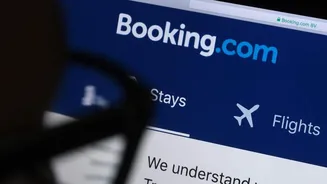








Reservation Details Compromised
A significant security incident has come to light concerning a widely used online travel reservation service. The breach resulted in the unauthorized access
of personal reservation-related information belonging to users. Specifically, data such as individuals' full names, email addresses, physical addresses, and telephone numbers were exposed. While this exposure is concerning, it's crucial to note that the platform has confirmed that no financial information, including payment card details or banking particulars, was accessed or compromised during this event. The company's security team detected unusual activity and promptly initiated measures to mitigate the situation and prevent further unauthorized access to sensitive data.
Swift Response and Protective Actions
In the immediate aftermath of discovering the security breach, the travel booking service took swift and decisive action to safeguard its users. A key step involved the forced reset of all reservation PINs, a critical security measure to prevent unauthorized access to individual bookings. Concurrently, the company proactively began notifying all individuals whose data may have been affected by the incident. This prompt communication and protective action demonstrate a commitment to user security, especially given the platform's history with cyber threats. This incident is not an isolated event, as the service has previously encountered security challenges, including a notable phishing campaign in the past, underscoring the persistent nature of online security risks in the digital travel landscape.
Staying Vigilant Online
The recent exposure of reservation details serves as a potent reminder for travelers to remain highly vigilant when conducting bookings online. The travel industry, unfortunately, continues to be a target for malicious actors, with issues like fake listings and sophisticated scams persisting across various platforms. This latest incident reinforces the importance of adopting robust online security practices. Users should be cautious of unsolicited communications, verify the legitimacy of booking sites, and use strong, unique passwords for all online accounts. By staying informed and adopting a security-conscious approach, travelers can better protect themselves from potential cyber threats while enjoying the convenience of online booking services.