



Hidden Fungal Worlds Unveiled
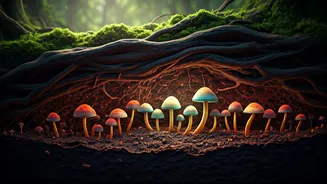
Deep within the forests of Chile, scientists have unearthed a remarkable hidden ecosystem flourishing beneath the roots of 'Gran Abuelo,' a colossal alerce
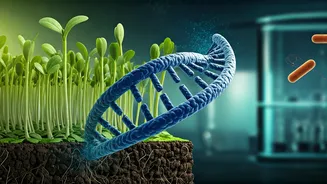
tree estimated to be nearly 5,500 years old. Through advanced DNA sequencing of soil samples, researchers identified an astonishing array of over 300 distinct fungal species. What's particularly fascinating is that a significant portion of these fungi appear to be exclusive to the soil surrounding this ancient specimen, meaning they are not present in the habitats of younger trees in the same forest. This finding suggests that the age and longevity of a tree create a unique microenvironment capable of supporting specialized fungal communities, a testament to the profound impact of ancient life on biodiversity.
Diversity Thrives with Age
The investigation revealed a clear correlation: the grander and more mature a tree, the richer and more varied its underground fungal population. Specifically, the soil beneath the ancient 'Gran Abuelo' exhibited a fungal diversity approximately 2.25 times greater than that found under more recently established trees within the same woodland. This dramatic difference underscores the principle that venerable trees act as living anchors for an entire community of life beneath the surface. These ancient organisms seem to foster a more complex and diverse fungal network, a crucial element for the forest's overall health and resilience. The fungi, in turn, play an indispensable role in supporting the tree's survival and growth.
Mycorrhizae: The Forest's Lifeline
At the heart of this underground alliance lies the intricate relationship facilitated by mycorrhizal networks, a symbiotic partnership between trees and fungi. The fungi act as an extended root system for the trees, diligently seeking out and channeling vital resources such as phosphorus and other essential nutrients from the soil. In return for this crucial service, the fungi receive sugars – a form of energy produced by the tree through photosynthesis. This mutually beneficial exchange is fundamental to the health and robustness of forest ecosystems. Protecting these ancient trees, therefore, becomes paramount, as they are not just individuals but custodians of entire ecological communities, safeguarding a vast web of hidden life that contributes to the planet's biodiversity.