





Satellite Mega-Constellations
The Federal Communications Commission (FCC) is currently scrutinizing ambitious plans from two prominent entities that could dramatically alter our view
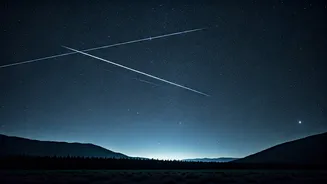
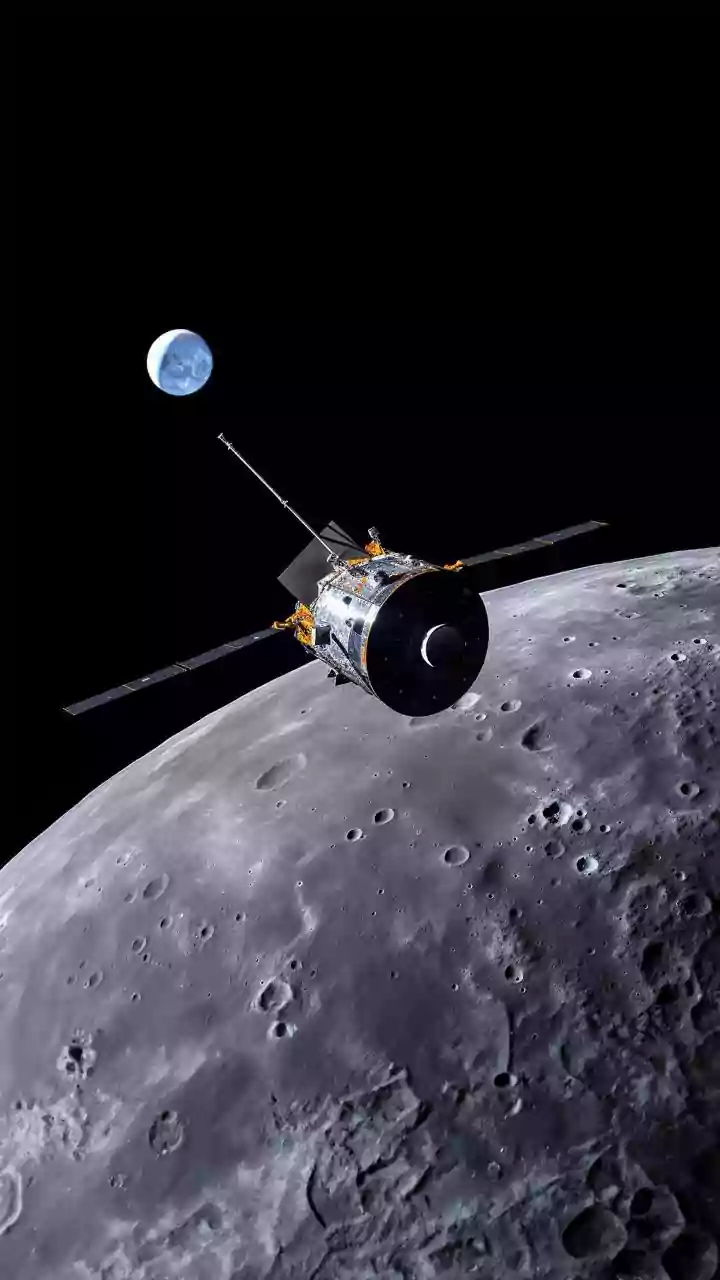
of the night sky. SpaceX, known for its Starlink internet service, is proposing an expansion to include up to a million satellites designed for a solar-powered computing network in orbit. Concurrently, Reflect Orbital aims to deploy a significant number of new satellites, each equipped with reflective surfaces. These proposals, while innovative, have sparked considerable concern among scientific communities and regulatory bodies in the United States. The core of the apprehension lies in the potential for these vast satellite swarms to significantly increase the artificial illumination of the night sky, a phenomenon that could have far-reaching and detrimental effects on both ecological systems and human well-being. The FCC's examination is crucial to understanding the full scope of these potential impacts before they are realized.
Ecological Nighttime Disruptions
The potential increase in artificial light emanating from these proposed satellite constellations poses a serious threat to natural nighttime environments. Research, including studies led by Miroslav Kocifaj, suggests that the sheer volume of these satellites could render the night sky noticeably brighter, disrupting the delicate balance of ecosystems. Many animals, from insects to nocturnal mammals, rely on darkness for crucial life processes such as navigation, foraging, and reproduction. This added brightness could confuse wildlife, leading to altered behaviors and potentially impacting their survival rates. Ruskin Hartley of DarkSky International emphasizes the critical need for thorough ecological reviews to be conducted before any further deployment. The interconnectedness of life means that such disruptions could cascade through food webs, affecting biodiversity and the overall health of our planet. Understanding these ecological ramifications is paramount to responsible space exploration and the preservation of our natural heritage.
Regulatory Oversight Needed
In light of these growing concerns, scientists and environmental advocates are strongly urging for the establishment of robust regulatory frameworks. The potential for widespread artificial light pollution from the proposed satellite constellations necessitates proactive measures to safeguard our nighttime environment. This call for regulation extends beyond just the visible light spectrum; it encompasses the broader impact on natural rhythms and the health of both human populations and the planet's fauna. Ensuring that our nighttime skies remain dark and functional is not merely an aesthetic preference but a crucial aspect of public health and ecological preservation. The FCC's role in this discussion is pivotal, as they are tasked with balancing technological advancement with the imperative to protect the natural world from unintended consequences. The future of our night sky, and the life it supports, hinges on thoughtful and comprehensive regulatory action.