







Digestive Powerhouses
Certain natural ingredients are lauded by veterinarians for their profound impact on canine digestive health. Pumpkin, for instance, is a fibrous marvel
that effectively balances bowel movements, alleviating both diarrhea and constipation. Its carotene content also contributes to a fortified immune system and sharper vision. Plain curd, rich in beneficial probiotics and calcium, cultivates a healthy gut flora and strengthens bones, particularly valuable in warmer climates. Boiled eggs offer a complete protein source and biotin, crucial for lustrous coats and healthy skin, alongside essential fatty acids that contribute to overall vigor. Sweet potatoes are celebrated for their beta-carotene, which combats inflammation and supports vision, while also providing lasting energy through their fiber content. Carrots, another excellent source of Vitamin A, boost immunity and eyesight, with the added benefit of naturally cleaning teeth through chewing. Apples, packed with antioxidants and fiber, help freshen breath, aid digestion, and safeguard heart health, serving as a safe, low-sugar treat. Moong dal, a gentle lentil, provides plant-based protein, iron, and folate for muscle upkeep and is easily digestible when cooked plainly and blended with rice for balanced meals.
Immunity & Vitality Boosters
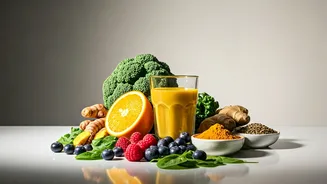
Beyond digestion, several superfoods are recognized for their capacity to bolster your dog's immune defenses and overall vitality. Coconut oil and fresh flesh are particularly noted for their medium-chain fats, which aid in hydrating the skin, softening the coat, and combating internal infections, though it's important to use them sparingly to manage fat intake. Turmeric, containing curcumin, is a potent anti-inflammatory agent that can alleviate joint pain and support liver function and immunity, best administered in a 'golden paste' form in small, consistent amounts to ensure tolerance. Flaxseeds, when ground, are a treasure trove of Omega-3 fatty acids, enhancing coat shine, improving joint mobility, and contributing to better stool quality due to their fiber content; a small amount sprinkled on kibble is recommended. Lean meats like cooked, unseasoned chicken, turkey, and lamb are excellent sources of protein, vital for muscle maintenance and energy. Fish, such as salmon and sardines (packed in water or their own oil, no salt), offer omega-3s for skin and coat health and are good sources of calcium and protein respectively. Fruits like blueberries are rich in antioxidants and vitamins, while bananas provide potassium and vitamins but should be given in moderation due to their sugar content. Watermelon offers hydration and vitamins, but seeds and rind must be removed.
Healthy Additions & Precautions
Incorporating these superfoods can significantly improve your dog's well-being, but it's essential to approach their diet with mindful preparation and awareness of potential risks. Cooked rice and oats, for example, are easily digestible carbohydrates that can benefit dogs with sensitive stomachs or upset digestive systems. However, the introduction of any new food, even beneficial ones, should always be done in moderation to prevent weight gain and to monitor your dog's reaction. Preparation is key; meats and fish must be thoroughly cooked, with all bones removed to avert choking hazards. Avoid adding any salt, spices, or oils to your dog's food. Crucially, certain human foods are outright toxic to dogs and must be strictly avoided. These include chocolate, onions, garlic, grapes and raisins, avocado, xylitol (a common artificial sweetener), alcohol, and cooked bones. Remembering that every dog has unique dietary needs and potential allergies, consulting with your veterinarian before making substantial changes to their diet is paramount to ensure their safety and optimal health.