
Air Quality Crisis
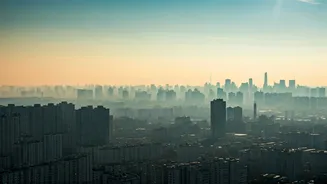
Delhi's air quality presents a significant environmental hazard, consistently ranked among the most polluted cities globally. Numerous factors contribute
to this dire situation. Industrial emissions, a key culprit, release harmful pollutants into the atmosphere. Vehicle exhaust, driven by a large and growing number of automobiles on the roads, adds to the concentration of particulate matter and other dangerous gases. Further compounding the issue, construction activities generate dust and other airborne particles, worsening the air quality. These elements mix with seasonal influences, such as stubble burning in neighboring states, which contributes to smog during specific periods. The geography of Delhi, which traps pollutants due to its landlocked location, exacerbates the overall impact, creating persistent environmental challenges for the city.
Sources of Pollution
The complex sources of air pollution in Delhi are multifaceted. Industrial sectors release a variety of pollutants, including sulfur dioxide and nitrogen oxides. The transportation sector plays a major role, with vehicle emissions contributing significant levels of particulate matter (PM2.5 and PM10), carbon monoxide, and nitrogen oxides. Construction and demolition activities also release vast amounts of dust and other particulate matter, especially during infrastructure development. In addition, the burning of agricultural residue in nearby states during specific times of the year significantly increases pollution levels, resulting in dense smog. Domestic sources like the burning of wood, coal, and other biomass for cooking and heating in some areas add to the overall pollution burden. Understanding these varied sources is critical for developing effective mitigation strategies and improving Delhi's air quality.
Health and Impact
The deteriorating air quality in Delhi has serious repercussions for public health. Exposure to high levels of pollutants, especially particulate matter, increases the risk of respiratory illnesses such as asthma, bronchitis, and chronic obstructive pulmonary disease (COPD). Children, the elderly, and individuals with pre-existing conditions are particularly vulnerable to these adverse effects. The air pollution also heightens the risk of cardiovascular diseases, as fine particles can enter the bloodstream and cause inflammation. Moreover, prolonged exposure to polluted air contributes to reduced life expectancy and poses a major threat to overall well-being. The impact on children is severe, as their developing lungs are more susceptible to damage. This underscores the need for effective measures to decrease pollution and safeguard public health.
Measuring Air Quality
The Air Quality Index (AQI) serves as a vital tool to assess and communicate the levels of pollution in Delhi. It calculates the concentrations of various pollutants, including PM2.5, PM10, ozone, nitrogen dioxide, sulfur dioxide, and carbon monoxide, using a standardized scale. The AQI provides a single number that indicates the overall air quality, and categorizes it into different levels, ranging from good to severe, along with corresponding health advisories. These advisories inform the public about the necessary precautions they should take to protect themselves. This may involve staying indoors, avoiding strenuous outdoor activities, or using air purifiers. Monitoring the AQI regularly allows residents to make informed decisions about their daily routines and take steps to mitigate the effects of exposure to pollutants.
Mitigation Strategies
Addressing Delhi's air quality crisis requires a multi-pronged approach that includes multiple strategies. Promoting cleaner transportation options, such as electric vehicles and public transit, is essential to reduce emissions. Implementing stricter emission standards for vehicles and industries is another crucial step. Controlling and regulating construction activities, including dust suppression measures, minimizes the release of particulate matter. Furthermore, preventing crop residue burning through alternative farming practices significantly reduces the impact of seasonal pollution. Expanding the green cover and promoting urban forestry can help absorb pollutants and improve air quality. Public awareness campaigns will encourage citizens to take appropriate steps to minimize their impact and promote sustainable practices to drive lasting change.
Government Initiatives
The government has introduced various initiatives to combat air pollution in Delhi. These include the implementation of the Graded Response Action Plan (GRAP), which sets out emergency measures based on air quality levels. The introduction of the odd-even vehicle scheme helps reduce the number of vehicles on the roads during periods of high pollution. Initiatives to promote electric vehicles, such as subsidies and charging infrastructure, have been implemented. The government also works to encourage industrial units to switch to cleaner fuels and technologies. Efforts to control stubble burning through educational campaigns and financial incentives have been implemented. Sustained efforts and coordinated implementation of these initiatives are essential for making significant progress in improving Delhi's air quality.