







Nature's Healing Embrace
Spending time immersed in natural environments offers significant benefits for mental health, acting as a potent antidote to the stresses of modern life.
Studies suggest that exposure to green spaces can reduce feelings of anxiety and depression, promoting a sense of calm and well-being. The visual and auditory stimuli provided by nature, such as the rustling of leaves or the sight of flowing water, can have a restorative effect on the mind, helping to alleviate mental fatigue. Furthermore, engaging in outdoor activities like walking or hiking can also improve mood and increase physical activity, which is intrinsically linked to better mental health. For individuals struggling with issues like brain fog or a general sense of disconnect, stepping outside can provide much-needed clarity and a renewed perspective. The neuroprotective effects of nature are increasingly recognized, highlighting its role in fostering resilience against mental health challenges and enhancing overall cognitive function.
Yoga for Exam Resilience
The demanding period of examinations often brings heightened stress and anxiety, but yoga offers a powerful and accessible solution. Wellness experts recommend specific yoga asanas that can effectively reduce exam-related stress and enhance concentration. Regular practice of yoga not only calms the nervous system, mitigating the physical symptoms of stress like racing heartbeats and shallow breathing, but also improves focus and cognitive abilities essential for academic performance. Poses like the 'Child's Pose' (Balasana) provide a sense of grounding and relaxation, while 'Downward-Facing Dog' (Adho Mukha Svanasana) can boost circulation and alertness. The mindful breathing techniques inherent in yoga, such as 'Alternate Nostril Breathing' (Nadi Shodhana Pranayama), help to balance the mind and promote emotional stability. By integrating yoga into their routine, students can build resilience, manage pressure more effectively, and approach their exams with a clearer, more composed state of mind.
The Power of Digital Detox
In our hyper-connected world, the constant influx of digital information can significantly impact cognitive function and mental clarity. A digital detox, defined as the practice of intentionally reducing screen time, offers a much-needed respite for both the mind and body. This deliberate break from devices, particularly social media and the internet, can alleviate symptoms of 'brain fog,' a condition characterized by difficulty concentrating, memory lapses, and a general lack of mental sharpness. By stepping away from screens, individuals can allow their brains to recover from the overstimulation and constant task-switching that digital engagement often entails. This reduction in screen time not only benefits cognitive functions but also provides the eyes with much-needed rest and can improve sleep patterns. Embracing a digital detox is a proactive step towards regaining mental clarity, fostering deeper focus, and cultivating a more balanced relationship with technology.
Stress and Cognitive Health
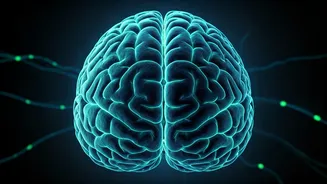
The pervasive nature of chronic stress can have profound and detrimental effects on memory and overall cognitive abilities. Neurologists emphasize that prolonged exposure to stress hormones, particularly cortisol, can lead to significant health problems over time. When stress becomes chronic, it can impair the hippocampus, a critical brain region involved in memory formation and retrieval. This impairment can manifest as difficulties in learning new information, recalling past events, and making sound decisions. The persistent elevation of cortisol levels can also contribute to inflammation in the brain, further compromising neurological function. Recognizing the impact of chronic stress is the first step towards mitigating its effects. Implementing stress-management techniques, such as those discussed previously involving nature, yoga, or digital detox, is crucial for protecting cognitive health and preserving mental acuity in the long term.