
Holi 2025 Dates
Holi 2025 is set to illuminate the calendar on March 14th, bringing with it an explosion of colors, joy, and cultural richness. This vibrant Hindu festival,
celebrated with immense enthusiasm across India and by the diaspora worldwide, signifies the triumph of good over evil, the arrival of spring, and a time for new beginnings. Leading up to the main day of color play, Holika Dahan occurs on March 13th, marking a significant ritual of burning away negativity and evil spirits. Understanding these dates is key to participating in and appreciating the full spectrum of this beloved festival. The festivities are deeply rooted in ancient traditions and mythology, often linked to tales like that of Prahlad and Holika, reinforcing the core theme of devotion and righteousness prevailing over malevolence. The preparatory rituals and the main day's celebrations are intertwined, creating a holistic experience of renewal and communal harmony.
Auspicious Timings
For Holi 2025, precise timings enhance the spiritual aspect of the celebrations. Holika Dahan, the ceremonial bonfire symbolizing the burning of evil, is best observed during a specific 'muhurat' to maximize its auspiciousness. This year, the favorable time for Holika Dahan is expected to be during the evening of March 13th, specifically after sunset and before the 'Bhadra Kaal' period ends, which is considered inauspicious. Following this, Holi, the festival of colors, will be celebrated on March 14th. Devotees often engage in prayers and offerings to deities like Lord Shiva during these periods, seeking blessings for prosperity and well-being. The rituals surrounding Holika Dahan involve circumambulating the bonfire, chanting mantras, and offering grains and other items into the flames, all believed to ward off negativity. The timings for the main Holi celebrations, while generally spanning the daylight hours, are also often preceded by specific prayers and rituals, making the entire festival a blend of fervent devotion and joyous revelry.
Rituals and Significance
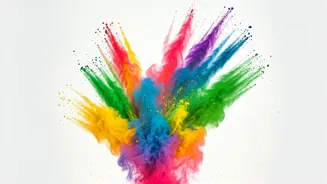
Holi is steeped in a variety of rituals that carry profound spiritual and cultural significance. The most prominent is Holika Dahan, where a bonfire is lit, symbolizing the immolation of the demoness Holika. This act represents the purging of negativity, ego, and past mistakes, making way for a fresh start. Offerings of wood, dried leaves, and grains are made to the fire, accompanied by prayers for peace and prosperity. The following day, Rangwali Holi, is when people smear each other with 'gulal' (colored powder) and water, signifying unity, equality, and the vibrant spirit of life. In some traditions, devotees offer sacred ash and colored powders to Lord Shiva, particularly on Holi, as it is believed to be associated with his ascetic nature. These offerings are seen as acts of devotion that appease the deity and bring divine grace. The festival also celebrates love and devotion, famously represented by the playful interactions of Radha and Krishna, which many communities reenact or commemorate through songs and dances.
Festive Delights & Greetings
No festival is complete without its culinary delights and warm wishes, and Holi 2025 is no exception. A quintessential Holi sweet is the 'Gujiya', a deep-fried pastry filled with sweetened khoya and nuts, a perfect crispy treat to share. This year, try a simple, step-by-step recipe to create these traditional delights at home, adding an authentic touch to your celebrations. Complementing the sweets are vibrant beverages, including specially crafted Holi cocktails designed to add an extra sparkle to your parties. Beyond food, the spirit of Holi is amplified through heartfelt wishes. Sharing good morning messages, inspiring quotes, and colorful images via WhatsApp and social media helps spread joy even across distances. For professional relationships, heartfelt Holi wishes for colleagues, bosses, and teachers can foster goodwill and strengthen bonds. From the playful exchange of 'Happy Holi' greetings to specific wishes for families and friends, the aim is to convey love, togetherness, and the vibrant spirit of the festival.
Celebrating Across India
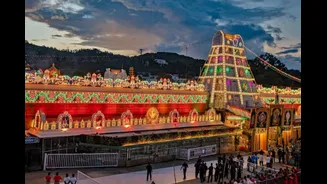
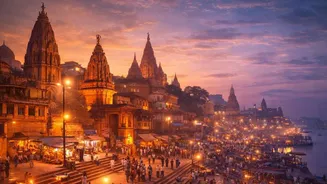
Holi celebrations take on unique flavors across different regions of India. In North India, visiting top temples for grand Holi celebrations is a popular tradition, where festivals are marked by flower showers, devotional songs ('bhajans'), and enthusiastic color play. Cities like Mathura and Vrindavan are renowned for their spectacular celebrations, deeply rooted in the legend of Radha and Krishna. Beyond these grand spectacles, the festival also extends to more personal and community-oriented gatherings. Dolyatra, celebrated in some parts of Eastern India, is another name for this festival, often involving processions and a focus on the divine love of Radha and Krishna, with wishes and images shared in languages like Bengali to connect with loved ones. The emphasis is on communal joy and the sharing of blessings, with traditions often including the exchange of specific greetings and best wishes to foster a sense of unity and shared festivity, ensuring that the spirit of Holi resonates widely.