






Veganism and Weight Loss
India is experiencing a significant trend towards veganism, driven by an increasing awareness of its health advantages, particularly for individuals managing
obesity. While vegetarian diets often incorporate dairy and eggs, a strictly plant-based vegan lifestyle is gaining traction. This shift suggests a growing appreciation for how eliminating all animal products can positively influence body weight and overall well-being. The focus on plant-based foods offers a promising avenue for those seeking effective and sustainable methods for weight management, reflecting a broader movement towards healthier dietary choices across the nation. The movement highlights the potential of a well-planned vegan diet to be a powerful tool in combating the challenges of obesity, promoting a healthier population.
Breast Implants and Health
Concerns have been raised about the potential health implications of breast implants. A study published in Plastic and Reconstructive Surgery in 2018 indicated a slightly elevated risk of autoimmune diseases, such as rheumatoid arthritis and scleroderma, among women with breast implants. While this finding warrants attention, it's crucial to emphasize that the overall risk remains very low. This nuanced understanding is important for individuals considering or having undergone breast augmentation, ensuring they are informed about the statistical possibilities without undue alarm. The research underscores the importance of ongoing monitoring and consultation with healthcare professionals regarding any health changes post-implantation.
Dietary Inflammation Control
Inflammation, whether acute or chronic, can significantly impact the body's functionality and lead to long-term organ damage. Fortunately, dietary choices can play a pivotal role in mitigating these inflammatory processes. By incorporating specific foods known for their anti-inflammatory properties, individuals can proactively support their health and reduce discomfort. This approach involves understanding which food groups and specific ingredients possess the power to calm the body's inflammatory response, thereby contributing to better overall health and potentially preventing the onset of chronic conditions linked to prolonged inflammation. Focusing on a diet rich in antioxidants and beneficial compounds is key to managing this pervasive health challenge.
Rare Neurological Disorders
A spectrum of rare neurological disorders presents considerable challenges in their diagnosis and treatment. These conditions affect the intricate network of the brain, spinal cord, and peripheral nerves. Examples include inherited conditions like Wilson's disease, Duchenne Muscular Dystrophy (DMD), and Spinal Muscular Atrophy (SMA). Metabolic disorders such as Krabbe disease and autoimmune conditions like Stiff Person Syndrome also fall under this category. The rarity of these disorders often means less familiarity among healthcare providers, leading to diagnostic delays and complexities in developing effective therapeutic strategies. Advancements in genetic research and diagnostic tools are crucial for improving outcomes for affected individuals.
Male Infertility and Diabetes
Type-2 diabetes, characterized by elevated blood sugar levels, can have profound implications for male fertility. The condition can negatively impact sperm count and overall reproductive health. Understanding this link is vital for men diagnosed with or at risk of developing Type-2 diabetes. Managing blood glucose levels effectively through lifestyle changes and medical intervention is crucial not only for general health but also for preserving or improving fertility potential. This highlights the systemic impact of diabetes beyond its commonly known effects on organs like the heart and kidneys, extending to reproductive health.
Liver Health in IT Sector
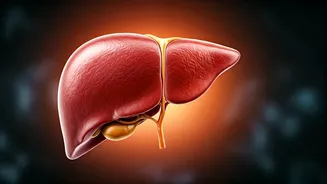
A study conducted by the University of Hyderabad has revealed alarming trends in liver health within the Indian IT sector. The research indicates a high prevalence of Metabolic Dysfunction-Associated Fatty Liver Disease (MAFLD), affecting a significant portion of IT employees. Furthermore, the study highlights widespread issues of clinical obesity, with a majority of employees being obese, alongside a substantial percentage suffering from hypertension, diabetes, or high cholesterol. These findings underscore the urgent need for targeted health interventions and awareness programs within the IT industry to address these critical metabolic and organ health concerns, promoting healthier work environments and lifestyles.
Vertigo's Neurological Impact
Vertigo, a condition marked by recurrent dizzy spells, can have long-term neurological consequences when it becomes chronic. The persistent sensation of spinning or imbalance can lead to debilitating symptoms that significantly impair daily life. Understanding the chronic implications of vertigo is essential for patients and healthcare providers alike. While the immediate symptoms are disruptive, the prolonged neurological effects can impact cognitive function, mobility, and overall quality of life. Further research and comprehensive management strategies are needed to address the persistent challenges posed by chronic vertigo.
Post-Viral Bronchitis and Exercise
Post-viral bronchitis, a common respiratory ailment that follows viral infections like the common cold or flu, is characterized by inflammation of the bronchial tubes. This inflammation can result in persistent coughing, wheezing, and shortness of breath. While the condition is typically self-limiting, recovery can sometimes be prolonged. Experts suggest that incorporating regular exercise into one's routine can be beneficial for managing and potentially alleviating the symptoms of post-viral bronchitis. Physical activity can help improve lung function and strengthen the respiratory system, aiding in a more robust recovery process.
IBD vs IBS Distinction
Inflammatory Bowel Disease (IBD) and Irritable Bowel Syndrome (IBS) are often confused due to overlapping symptoms, yet they represent distinct digestive disorders. IBD encompasses conditions like Crohn's disease and ulcerative colitis, which involve chronic inflammation of the digestive tract and can lead to significant tissue damage. In contrast, IBS is a functional gastrointestinal disorder where the bowels do not function correctly but without visible inflammation or damage to the digestive tract lining. Recognizing the differences is crucial for accurate diagnosis and appropriate treatment, as the management strategies for IBD and IBS vary considerably, impacting long-term health outcomes.
Hip Dysplasia and Arthritis
Hip dysplasia, a condition where the hip socket doesn't fully cover the ball portion of the upper thighbone, is increasingly recognized as a significant contributor to early-onset arthritis. Orthopedic surgeons describe it as a 'silent epidemic' due to its role in joint pain experienced by younger individuals. This condition can lead to abnormal wear and tear on the hip joint over time, accelerating the development of osteoarthritis. Early detection and management of hip dysplasia are essential for preserving joint health and preventing or delaying the onset of debilitating arthritis, highlighting the importance of proactive orthopedic care.