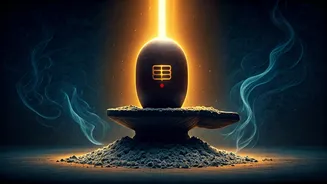







The Great Night's Significance
Maha Shivaratri, celebrated as the 'Great Night of Shiva,' is a profoundly significant Hindu festival dedicated to Lord Shiva. This sacred occasion is marked
by deep devotion, disciplined observance, and a focus on spiritual introspection. During this time, devotees engage in various practices aimed at fostering a connection with the divine. The festival is a powerful reminder of Shiva's transformative energy, encouraging followers to seek inner awakening and a balanced existence. It is a time when the spiritual energy of the universe is believed to be particularly potent, offering an opportunity for profound spiritual growth and connection.
Devotional Practices Unveiled
The observance of Maha Shivaratri involves several dedicated practices designed to honor Lord Shiva. Many followers undertake a 'nirjala' fast, abstaining from both food and water, or opt for a 'phalahar' fast which allows for fruits, milk, and light sattvic meals. Across the nation, Shiva temples remain open throughout the night, facilitating special pujas, 'abhisheks' (ritualistic bathing of the deity), and 'aartis' (devotional songs and lamp ceremonies). These rituals are performed in different time segments, known as 'praharas,' from dusk until the early hours of the morning, creating an atmosphere of continuous reverence and devotion. The collective participation in these sacred rites amplifies the spiritual ambiance, uniting devotees in shared worship and seeking the divine's blessings.
Symbolism of Shiva's Dance
Lord Shiva's cosmic Tandava dance is a powerful symbol central to Mahashivratri celebrations. This dynamic dance represents the eternal cycle of creation, preservation, and destruction, encapsulating the very essence of the universe. It signifies the continuous transformation and renewal that pervades existence, guiding souls towards a state of equilibrium and spiritual evolution. By meditating on the Tandava, devotees are encouraged to embrace change, understand the impermanence of worldly affairs, and find balance within themselves. The dance serves as a profound metaphor for the divine power that orchestrates the universe, offering a pathway to inner peace and self-realization.
Simple Offerings, Deep Devotion
The heart of devotion on Maha Shivaratri lies not in grand gestures, but in the sincerity of humble offerings. Even simple items, such as bilva leaves, are considered highly auspicious and deeply pleasing to Lord Shiva. This emphasizes the festival's core message: true devotion transcends material wealth or elaborate rituals. What matters most is a pure heart, unwavering faith, and a sincere intent to connect with the divine. This principle empowers all devotees, regardless of their circumstances, to participate fully in the worship and experience the profound grace of Shiva. The emphasis on simplicity encourages a more personal and heartfelt connection with the deity.
Ardhanarishvara's Harmony
The depiction of Ardhanarishvara, a form that is half Shiva and half his consort Parvati, holds profound symbolic meaning for Maha Shivaratri. This divine union represents the perfect balance and integration of masculine and feminine energies, both within the cosmos and within individuals. It inspires devotees to cultivate harmony, unity, and love in their relationships and in their inner lives. The Ardhanarishvara form signifies that true wholeness comes from embracing and integrating all aspects of oneself, fostering a sense of completeness and spiritual equilibrium. On this auspicious night, contemplating this divine synergy encourages a deeper understanding of interconnectedness and universal love.
Spiritual Atmosphere Ascends
During Maha Shivaratri, Shiva temples across India are transformed into vibrant centers of spiritual energy. The air is filled with the warm glow of diyas (oil lamps) and the fragrant aroma of incense, creating an atmosphere of intense devotion and hope. Thousands of devotees patiently queue for hours, their hearts filled with prayers for peace, prosperity, and divine blessings. This collective outpouring of reverence underscores the deep faith and spiritual aspirations of the people. From the sacred ghats of Varanasi to the quiet corners of home altars, the presence of Lord Shiva unites millions in a shared experience of silent contemplation and joyous celebration.