






Pets: Integral Family Members
In today's world, pets are more than just animals; they are cherished members of our families, sharing our homes and daily lives. As World Health Day 2026
underscores the importance of global well-being and proactive health measures, it's essential to broaden our perspective to encompass the health of our furry companions. While awareness regarding pet vaccinations and basic hygiene has notably increased, the practice of routine health screenings for them remains largely overlooked. Experts are now advocating for the integration of pets into regular wellness plans, recognizing that their health directly influences the well-being of the entire household. Preventive veterinary care is not just about preventing diseases in pets, but also about safeguarding the health of their human counterparts, especially in shared living environments.
The Power of Prevention
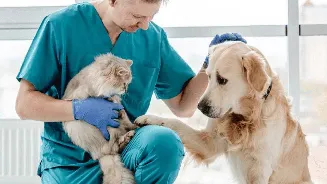
Preventive health for pets extends far beyond mere vaccinations and good hygiene; it encompasses a comprehensive approach to early detection and ongoing care. Dr. Rakesh Mohan, a Senior Veterinary Officer, emphasizes that regular check-ups, blood tests, dental examinations, parasite control, and timely deworming are crucial for identifying potential health issues before they become serious. Many pet owners mistakenly equate a visibly healthy pet with a truly healthy one, unaware that underlying conditions like kidney disorders, diabetes, or thyroid imbalances can manifest internally without obvious symptoms. Committing to at least one or two annual veterinary check-ups can significantly enhance a pet's quality of life and potentially extend their lifespan, ensuring they remain happy and disease-free.
Pet Health, Human Health
The close proximity in which pets live with humans means their health status has a direct bearing on the family's overall well-being. This interconnectedness is particularly relevant in urban settings. Zoonotic diseases, those that can transfer between animals and humans, are a growing concern, and unchecked infections in pets can easily spread to their owners. Simple ailments like ringworm or tick-borne illnesses serve as prime examples. Furthermore, unresolved pet allergies or parasitic infestations can pose risks to vulnerable family members, including children and the elderly. Proactive measures such as consistent flea control, a balanced diet, and regular vaccinations are vital not only for the pet's health but also for bolstering the immune systems of everyone in the household. Embracing the 'One Health' concept, which links human, animal, and environmental health, is a significant stride towards achieving this holistic well-being.
Responsible Pet Ownership
The evolving landscape of pet ownership in India, particularly in major cities, signifies a shift towards responsible care that goes beyond basic needs. Dr. Rakesh Mohan highlights that being a responsible pet owner today means actively participating in their preventive healthcare. While the number of pet owners has surged, the practice of routine veterinary screenings is still often viewed as an optional expense rather than a necessity. Integrating pet health check-ups into the family's health calendar demonstrates a commitment to their well-being. Fortunately, veterinary clinics are increasingly offering accessible wellness packages, annual vaccination drives, and diagnostic services tailored for domestic animals. As awareness grows, spurred by observances like World Health Day, pet owners are increasingly encouraged to make proactive health planning an integral part of their pet's life, ensuring a healthier future for all.