
Pollution Escalates Sharply
Delhi is grappling with a severe air pollution crisis, with its Air Quality Index (AQI) consistently worsening. The city has experienced a significant
decline in air quality, marking a concerning trend where 'good' air days have become a rarity since 2023. This persistent pollution has led to the enforcement of Graded Response Action Plan (GRAP) measures, with the latest being GRAP-III and GRAP-4 restrictions being moved to GRAP-3, indicating the severity of the situation. The capital has seen a stark increase in PM2.5 pollution, reaching alarming levels that far exceed the recommended benchmarks for air quality. This environmental challenge not only impacts the general population but also raises serious concerns about public health and the well-being of vulnerable groups, particularly during significant periods like the pre-Diwali celebrations when pollution typically surges.
Health Impacts Unveiled
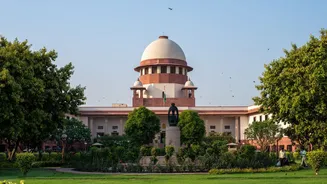
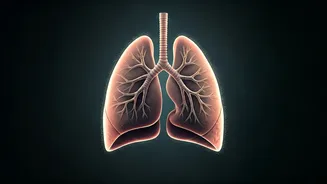
The pervasive air pollution in Delhi poses significant health risks, with scientific comparisons suggesting that breathing the city's air daily is akin to smoking multiple cigarettes. The detrimental effects are particularly worrying for pregnant women, raising questions about its potential impact on pregnancy outcomes. Beyond the immediate respiratory issues, the long-term exposure to high levels of PM2.5 pollution can contribute to a range of chronic health problems. The Supreme Court has acknowledged the gravity of the situation, taking up pleas related to Delhi-NCR pollution as a priority, though it also noted the absence of a 'magic wand' to instantly resolve the issue. This underscores the complex and multifaceted nature of combating air pollution and its far-reaching consequences on individual and public health.
Response and Mitigation
In response to the escalating air pollution crisis, authorities in Delhi have implemented a series of stringent measures. The Graded Response Action Plan (GRAP) has been progressively enforced, with GRAP-I measures initially put in place as the AQI worsened, followed by the escalation to GRAP-III and further considerations for GRAP-4. These measures include restrictions on certain activities to curb emissions. The crisis has also led to adaptive strategies in the education sector, with schools shifting to a hybrid mode of learning to protect students from the toxic air. Furthermore, the market for vehicles has seen innovations, with cars under ₹15 lakh now available with built-in air purifiers, reflecting a growing consumer awareness and demand for cleaner in-car environments. The overarching goal is to mitigate the pollution levels and safeguard the health of the city's inhabitants.