



Dhokla Delights
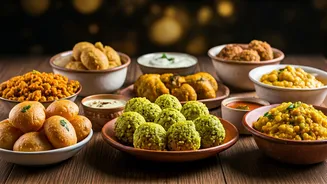
Dhokla, a beloved steamed snack, epitomizes Gujarati culinary finesse. This fluffy, savory cake, crafted from fermented batter (typically a mix of rice
and chickpeas), is a testament to the region's innovative use of fermentation. The batter's transformation, involving a meticulous process of fermentation that gives dhokla its signature airy texture, is vital. Steaming the batter, as opposed to frying, is a healthier way of cooking, making it light. After steaming, a tempering of mustard seeds, curry leaves, and sometimes green chilies, further enhances the flavors. Dhokla is a breakfast favorite, often enjoyed with coriander chutney, a refreshing counterpoint to its rich taste. Each bite offers a satisfying experience, reflecting the skill of Gujarati cooks. Different types of dhokla exist, each with a unique preparation and flavor profile. Its simplicity and ease of preparation have made it a favorite snack across India, and globally.
Undhiyu's Charm
Undhiyu, a mixed vegetable dish, is a Gujarati winter staple celebrated for its unique earthen pot cooking. The dish contains several winter vegetables, usually a mix of root vegetables such as potatoes and purple yams. The dish's preparation involves slow-cooking vegetables with spices, creating a symphony of flavors. What sets undhiyu apart is the way it is cooked – in an inverted earthenware pot, underground, which lends the dish its unique smoky flavor. The dish has two key components: the vegetables and the muthias, which are savory dumplings made from the same mix of ingredients. Its creation, traditionally a family affair, embodies the community spirit. Undhiyu is often paired with puri, a fried bread, and shrikhand, a sweet yogurt dessert. The communal aspect of the cooking process mirrors the dish's ability to unite people through food. Undhiyu epitomizes the season, and it's a testament to the Gujarati people's ingenuity and respect for seasonal produce.
Thepla’s Taste
Thepla, a versatile flatbread, showcases Gujarati culinary skills. This soft, slightly spiced flatbread, made from whole wheat flour, is a staple in many Gujarati households. It’s enriched with spices, often including turmeric, chili powder, and fenugreek leaves, which give thepla its distinctive taste and aroma. Its preparation involves mixing the flour with spices and often mashed vegetables. The mixture is then rolled into thin flatbreads and cooked on a griddle. Theplas are known for their long shelf life, making them perfect for travel or packed lunches. They are frequently eaten with yogurt, pickles, or a simple vegetable curry. The ease of preparation makes theplas adaptable, offering opportunities for experimentation. Variations of thepla recipes exist, including methi thepla, which includes fenugreek leaves. The versatility and adaptability of thepla make it a beloved food for all ages.
Handvo’s Blend
Handvo, a savory cake, highlights the Gujarati culinary tradition of innovation. This baked dish, often a mix of lentils, rice, and vegetables, is a perfect illustration of how diverse ingredients can be blended in harmony. The batter, made with a combination of rice, lentils, and vegetables such as bottle gourd, carrots, and peas, is seasoned with spices. Handvo's preparation combines the health benefits of lentils and vegetables. The cake’s baking process gives it a crunchy exterior and a soft, flavorful interior. Handvo's versatility makes it a versatile food. It can be eaten as a snack, a main course, or as a side dish. Variations on Handvo are a way to showcase seasonal vegetables. The ease with which it can be customized helps make it a favorite for all people. This dish is a delicious example of Gujarati cooking techniques.
Khandvi's Allure
Khandvi, a delicate snack, demonstrates Gujarati precision and culinary skill. This rolled snack, made from gram flour (besan) and buttermilk, is admired for its lightness and distinct taste. The preparation of khandvi involves creating a thin batter and spreading it thinly on a surface. The rolled-up delicacy is then tempered with mustard seeds, sesame seeds, and curry leaves, adding more complex flavors. Khandvi is a dish of many layers, with each layer making it a unique taste. Its intricate preparation reflects the region's commitment to detail. Khandvi is often served as a snack. Its lightness makes it a satisfying snack without being too heavy. Khandvi's widespread appeal is a testament to its delicious flavors.
Fafda's Crunch
Fafda, a deep-fried snack, is a staple in Gujarati cuisine, particularly enjoyed with jalebi. This crispy, savory snack, made from gram flour, is loved for its unique texture and taste. The preparation begins with mixing gram flour with spices, forming a dough that is then stretched and deep-fried. The deep-frying gives fafda its signature crunch. Fafda is often eaten with different sauces. It can also be eaten with green chilies, which gives a spicy contrast to the food. The popular pairing of fafda with jalebi showcases the Gujarati sweet-and-savory combination. The snack’s versatility and easy accessibility have made it a crowd favorite, offering a quick and satisfying snack experience. The crunchy texture and savory taste make it a very attractive dish, both to locals and those outside of Gujarat.
Dal Dhokli's Comfort
Dal Dhokli, a hearty dish, embodies Gujarati comfort food. It consists of wheat flour dumplings (dhokli) cooked in a flavorful lentil-based (dal) broth. The dish combines the goodness of lentils with the comforting warmth of the dhokli. The preparation involves making the dhokli by kneading wheat flour with spices and cooking it into the dal, which is typically made from toor dal (split pigeon peas). The cooking process allows the dhokli to absorb the flavors of the dal, creating a balanced, wholesome meal. This dish is a filling and comforting meal. It is enjoyed throughout Gujarat, and it reflects the Gujarati people's ability to create satisfying and nutritious food. Its rich taste and fulfilling nature make it a perfect food for all.
Sev Tameta's Tang
Sev Tameta nu Shaak, a tangy tomato and sev curry, is another classic Gujarati dish, popular for its vibrant flavors. The dish features a tomato-based curry, garnished with sev (thin, crispy chickpea flour noodles). Its preparation involves making a spiced tomato gravy and adding the sev just before serving to maintain its crispiness. The combination of tangy tomatoes and the savory sev provides a symphony of tastes. The dish is quick to prepare, making it a favorite for busy families. Sev Tameta nu Shaak is often eaten with roti or rice. Its distinctive taste has made it popular and well-known. This dish exemplifies the Gujarati cooking style. It emphasizes balance and the use of simple, everyday ingredients.
Gathiya's Crispy Bite
Gathiya, a deep-fried snack, represents the snack culture of Gujarat. This crunchy snack, made from gram flour, is a favorite for its savory taste and satisfying crunch. The dough, made from gram flour and spices, is shaped into various forms, typically long, twisted strands, and deep-fried until golden brown. Gathiya's variations include different spices, allowing people to add customized flavors. It is a very accessible snack, available in shops, and enjoyed at all events. It can be eaten alone, but it is often eaten with tea. Gathiya highlights Gujarati culinary tradition with its simple recipe, delicious taste, and universal appeal. Gathiya has a simple preparation, yet the final product is very flavorful. These snacks are a versatile offering from Gujarati food.