



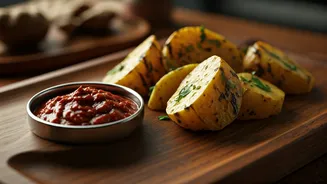
A Culinary Introduction
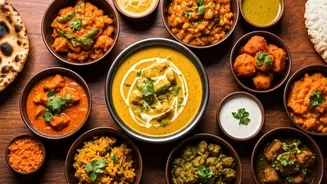
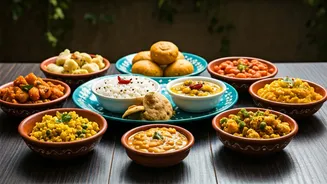
Gujarati cuisine, renowned for its vegetarian emphasis and balanced flavors, offers a delightful array of dishes. It's characterized by a careful blend
of sweet, sour, and spicy elements, catering to diverse palates. This cuisine also places a high value on fresh, seasonal ingredients, ensuring both taste and nutritional value. The use of unique cooking techniques and spice combinations sets Gujarati food apart, offering a distinctive culinary experience. Many dishes are served with a variety of accompaniments, such as chutneys and pickles, adding layers of flavor and enhancing the overall meal experience.
Undhiyu's Earthy Charm
Undhiyu, a mixed vegetable dish, is a quintessential Gujarati delicacy, particularly popular during winter. The name 'Undhiyu' is derived from 'Undhu,' meaning upside down, referring to the traditional cooking method where vegetables are cooked in earthen pots underground. This slow cooking process infuses the vegetables with a unique smoky flavor. The dish typically includes a variety of seasonal vegetables like potatoes, eggplants, and beans, cooked with a blend of aromatic spices and herbs. It is often served with hot puris and shrikhand, providing a complete and satisfying meal. The preparation of Undhiyu is a communal affair, often enjoyed during festive occasions and celebrations, adding to its cultural significance.
Thepla's Versatile Appeal
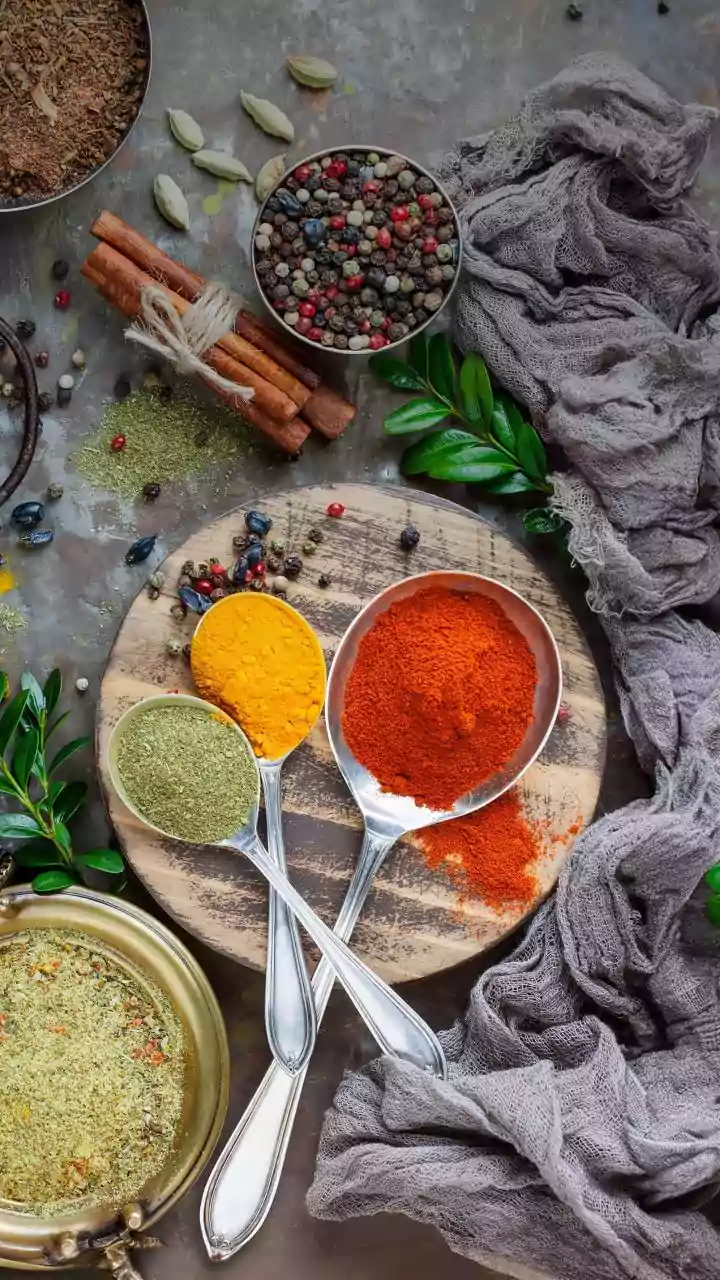
Thepla, a soft, spiced flatbread, is a Gujarati staple known for its versatility and portability. It's made from whole wheat flour, mixed with spices like turmeric, chili powder, and often, fenugreek leaves (methi). Theplas can be eaten at any time of the day, making them a popular choice for breakfast, lunch, or even a quick snack. They are ideal for travel, as they stay fresh for several days. Commonly served with yogurt, pickles, or chutneys, Theplas offer a satisfying and flavorful meal. The preparation process involves kneading the dough, rolling it out, and then cooking it on a hot griddle with a bit of oil or ghee, giving it a slightly crisp texture.
Dhokla's Delightful Softness
Dhokla, a steamed savory cake, is a beloved Gujarati snack known for its light, fluffy texture. It's made from a fermented batter of rice and chickpeas, giving it a slightly tangy taste. The batter is steamed until it rises and becomes airy. Once cooked, it's often tempered with mustard seeds, green chilies, and curry leaves, adding a burst of flavor. Dhokla is typically served with a sweet and tangy chutney, providing a delightful contrast of flavors. It's a popular choice for breakfast or as a snack, and it's enjoyed throughout Gujarat and beyond. Variations include Khaman Dhokla, which is made using chana dal (split chickpeas), and Khatta Dhokla, a sour version.
Khandvi's Delicate Rolls
Khandvi, thin, rolled-up gram flour snacks, are a visually appealing and flavorful Gujarati treat. The batter is made from gram flour (besan), buttermilk, and spices. It is cooked to a thick consistency and then spread thinly on a surface before being rolled up. Typically garnished with mustard seeds, sesame seeds, and fresh coriander, Khandvi offers a combination of textures and tastes. These delicate rolls are light, making them a popular appetizer or snack. Preparing Khandvi takes precision, as the batter must be cooked to the right consistency to prevent it from cracking when rolled. Khandvi's delicate appearance and delightful taste make it a favorite for special occasions and everyday enjoyment.
Fafda-Jalebi: Sweet & Savory
Fafda-Jalebi is a classic Gujarati breakfast combination, marrying the savory with the sweet. Fafda, a crispy, fried snack made from gram flour, is typically eaten with a tangy chutney and a fried green chili. Jalebi, on the other hand, is a deep-fried sweet made from a fermented batter, soaked in sugar syrup. The contrast between the salty, crunchy Fafda and the sugary, soft Jalebi provides a delightful taste experience. This combination is a staple during festivals and special occasions. The popularity of Fafda-Jalebi extends beyond Gujarat, with many street food vendors and restaurants offering this distinctive treat, appealing to both locals and visitors alike.
Dal Dhokli's Heartiness
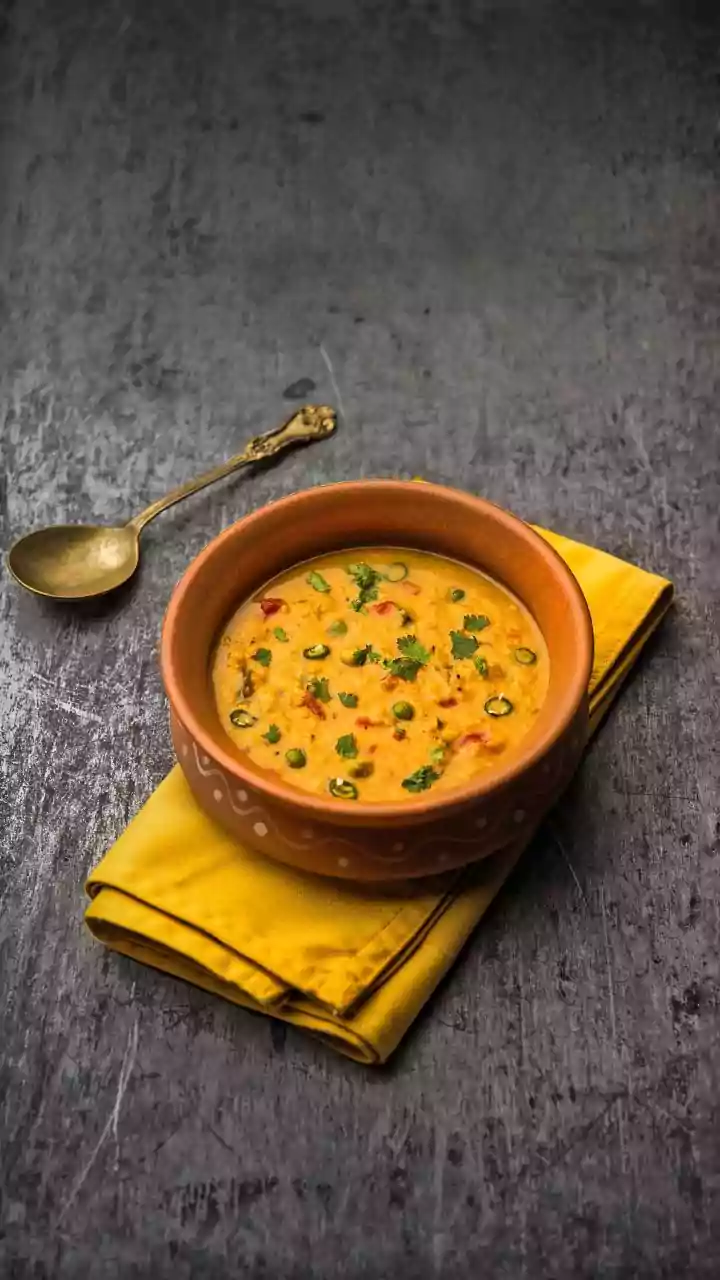
Dal Dhokli is a hearty and wholesome Gujarati dish that combines the goodness of lentils and wheat flour. It features small, flat, wheat flour dumplings (dhokli) simmered in a flavorful lentil-based broth (dal). The dal is typically made with toor dal (split pigeon peas) and spiced with a blend of aromatic spices. As the dhokli cooks in the dal, they absorb the flavors, creating a dish with a rich, satisfying taste. It's a complete meal, providing carbohydrates, protein, and essential nutrients. Dal Dhokli is often garnished with fresh coriander and served hot, making it a comforting and nutritious choice for any meal. Variations may include the addition of vegetables to the dal.
Gujarati Kadhi's Tang
Gujarati Kadhi is a tangy and creamy yogurt-based soup, a staple in many Gujarati homes. Made with yogurt, gram flour (besan), and a blend of spices, it is known for its mild, sour flavor and light consistency. The yogurt is whisked with water and besan to create a smooth base, and then it's simmered with spices like ginger, chilies, and turmeric. Kadhi often includes small fried dumplings called 'pakoras', adding texture and substance to the soup. It's usually served with rice, complementing its subtle flavors. This comforting dish is a popular accompaniment to everyday meals, offering a balanced and soothing culinary experience. The tanginess comes from the yogurt, providing a refreshing taste.
Undhiyu, revisited!
Revisiting Undhiyu, this dish shines especially brightly in the cold season. Its creation embodies a communal event, often prepared during festivals. Traditionally, the vegetables are cooked slowly in earthen pots, infusing a unique smoky essence. Seasonal vegetables like eggplants, potatoes, and beans, are combined with aromatic spices and herbs. Served with hot puris and shrikhand, it makes a complete and satisfying meal. The preparation, an experience in itself, enhances its cultural appeal, particularly during celebrations and festive times. This dish embodies the essence of Gujarati cuisine, reflecting its unique cooking techniques.