







Understanding Sarcopenia's Threat
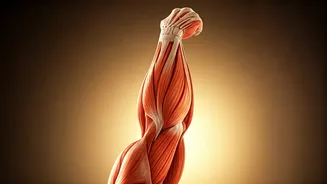
Sarcopenia, the gradual loss of muscle mass, strength, and function that accompanies aging, poses a significant threat to the mobility and independence
of the elderly. This condition, often underestimated, is a leading contributor to fractures, hospitalizations, and even mortality in older adults. With India's demographic shift towards a larger elderly population – projected to reach 319 million by 2050 – the prevalence of sarcopenia is a growing concern. Studies reveal a substantial increase in its occurrence among adults, particularly those hospitalized, with individuals managing chronic diseases like diabetes facing an even greater risk. The Geriatric Society of India's newly released guidelines are a crucial step in recognizing and addressing this escalating public health issue, aiming to equip healthcare professionals with the tools to identify and manage muscle loss proactively, thereby safeguarding the autonomy of the nation's seniors.
India's New Sarcopenia Guidelines
Spearheaded by Dr. OP Sharma, the first Indian Guidelines for the Evaluation and Management of Sarcopenia represent a multidisciplinary effort, integrating expertise from geriatric medicine, orthopedics, endocrinology, physiotherapy, and nutrition. These comprehensive guidelines are designed to empower doctors with standardized methods for early sarcopenia detection and effective management strategies. The core message emphasizes that maintaining muscle strength is paramount for healthy aging, directly correlating with preserving dignity and independence. Dr. Sharma highlights how modern lifestyle factors such as sedentary habits, inadequate nutrition, and the presence of chronic illnesses are accelerating the onset and progression of muscle loss in the senior population. The guidelines recommend that physicians actively look for key indicators in patients, including diminished grip strength, a noticeable slowdown in walking pace, or difficulty rising from a seated position. Furthermore, they promote the use of screening tools like the SARC-F questionnaire to systematically identify individuals at high risk, paving the way for timely interventions.
Preventing Muscle Loss
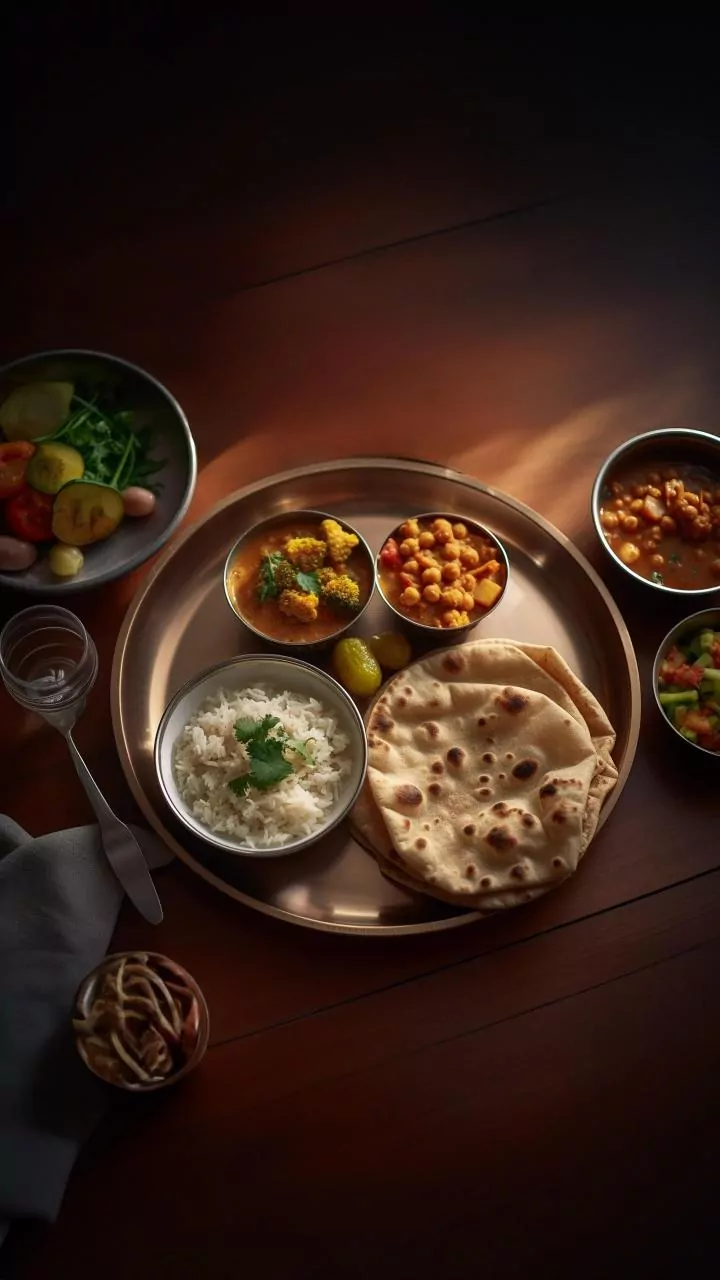
The promising news is that sarcopenia is largely preventable and its progression can be significantly slowed through accessible lifestyle modifications. Experts strongly advocate for incorporating regular strength training exercises into daily routines to build and maintain muscle mass. Equally crucial is ensuring an adequate intake of protein, which serves as the building block for muscle repair and growth. Beyond protein, a balanced diet rich in essential nutrients, including green vegetables and pulses, is vital. Addressing deficiencies in key vitamins and minerals, such as Vitamin D and calcium, also plays a significant role in supporting bone and muscle health. Dr. Raju Vaishya's assertion that 'India is a sarcopenic nation' underscores the urgent need for increased public awareness regarding muscle health. Dr. Randeep Guleria further emphasizes that these guidelines aim to integrate muscle health assessment into routine medical practice, bridging the gap between scientific evidence and clinical application, and making sarcopenia a more visible concern for healthcare providers.