
Core Stability Essentials
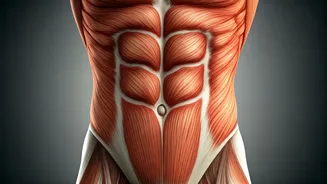
Building a solid core is vital for overall health and well-being, as it impacts everything from posture to balance. The core muscles, including the rectus
abdominis, obliques, and transverse abdominis, provide stability and support for the spine. Incorporating standing exercises is an effective way to strengthen these muscles without putting unnecessary strain on the lower back. This approach is particularly beneficial for those with back issues or limited mobility. These exercises also engage multiple muscle groups simultaneously, enhancing overall fitness and making workouts more efficient. Regular practice can lead to improved posture, reduced risk of injury, and increased functional strength, allowing you to move with greater ease and confidence in daily activities. By focusing on standing exercises, you not only build a stronger core but also improve your body's ability to maintain balance and control.
Standing High Knees
High knees are a dynamic exercise that elevates your heart rate while effectively engaging the core. To perform this exercise, stand with your feet hip-width apart and your core engaged. Begin by lifting one knee towards your chest, then alternate legs, bringing each knee up as high as possible. Simultaneously pump your arms as if you were running, keeping your back straight and your core tight. This exercise is excellent for improving cardiovascular health and burning calories, in addition to strengthening the core and improving coordination. Aim for 30 seconds to a minute of high knees, followed by a brief rest period. This exercise can be modified to suit different fitness levels, making it accessible for beginners while still challenging for advanced practitioners. Regular inclusion of high knees in your routine helps build endurance and enhances your overall fitness level.
Standing Bicycle Crunches
Standing bicycle crunches offer a twist on the traditional core exercise by adding a balance challenge. Stand with your feet shoulder-width apart, hands behind your head, and engage your core. Bring your right knee towards your left elbow while twisting your torso. Then, alternate, bringing your left knee towards your right elbow. Maintain a steady pace and focus on engaging your core muscles with each twist. This exercise not only works the rectus abdominis and obliques but also improves balance and coordination. The twisting motion adds an extra layer of challenge, enhancing the effectiveness of the workout. Performing this exercise regularly helps tone the abdominal muscles and improve overall core strength. Start with 30 seconds and gradually increase the duration as you gain strength.
Dumbbell Side Crunches
Standing dumbbell side crunches effectively target the obliques, contributing to a more defined waistline. To perform this, stand with your feet shoulder-width apart, holding a dumbbell in one hand. Keeping your core engaged, bend to the side, lowering the dumbbell towards your knee. Return to the starting position and repeat the movement on the same side before switching to the other. The key is to control the movement, avoiding any jerky motions. Ensure your back remains straight throughout the exercise. This exercise helps build strength and definition in the obliques, contributing to a balanced and toned core. It also improves lateral stability, reducing the risk of injuries. Start with a light weight and gradually increase it as your strength improves. Aim for 10–15 repetitions on each side.
Cable/Band Wood Chop
The cable or band wood chop is a functional exercise that mimics the motion of chopping wood, engaging multiple muscle groups and enhancing core stability. Stand with your feet shoulder-width apart, facing the cable machine or anchored resistance band. Hold the handle or band with both hands and engage your core. Pull the cable or band diagonally across your body, as if chopping wood, from a high position to a low position, or vice versa. Control the movement, resisting the pull, and ensure your core remains engaged throughout. This exercise effectively works the obliques, rectus abdominis, and other core muscles, while also improving rotational strength and stability. Regularly practicing wood chops enhances functional fitness, making everyday movements easier and reducing the risk of injuries. Start with a moderate resistance level and aim for 10–15 repetitions on each side.
The Pallof Press
The Pallof Press is an excellent anti-rotational exercise that enhances core stability and prevents spinal rotation. Stand with your feet shoulder-width apart, holding a resistance band or cable in front of your chest. Engage your core, keeping your back straight and your shoulders relaxed. Extend your arms straight out in front of you, resisting the pull of the band or cable, and hold for a few seconds. Return to the starting position slowly, maintaining control. This exercise targets the deep core muscles, especially the transverse abdominis, and helps improve posture, balance, and stability. Regular practice of the Pallof Press enhances the ability to stabilize the spine during movement, reducing the risk of back pain and injuries. Perform 10–15 repetitions, holding each extension for a few seconds.
Combine & Conquer
To maximize the benefits of these standing core exercises, combine them into a comprehensive workout routine. Start with a warm-up, such as light cardio and dynamic stretching. Incorporate the exercises in the order provided, focusing on proper form and controlled movements. Aim to perform each exercise for 30–60 seconds, or 10–15 repetitions, with short rest periods between sets. Cool down with static stretching, holding each stretch for 20–30 seconds. Consistency is key, so aim to perform these exercises at least three times a week. Adjust the intensity and duration based on your fitness level and goals. By consistently practicing these exercises, you will experience a significant improvement in your core strength, balance, and overall fitness, making daily activities easier and more enjoyable.