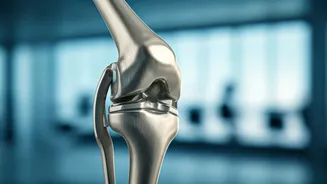

Understanding Knee Weakness
Knee weakness can manifest in various ways, from occasional discomfort to chronic pain, significantly impacting one's mobility and quality of life. The
reasons behind knee weakness can be diverse, encompassing factors such as age-related wear and tear, previous injuries, or underlying health conditions like arthritis. As we age, the cartilage that cushions the knee joint naturally deteriorates, making the bones more prone to friction and inflammation. This process may lead to stiffness, reduced flexibility, and a general feeling of instability. Understanding the root causes of knee weakness is the first step toward effective management and prevention. Identifying the specific factors contributing to your knee issues will enable you to tailor your approach and target the problem areas directly. A thorough evaluation by a healthcare professional is crucial to pinpoint the exact cause of your knee weakness. This assessment may involve physical examinations, imaging tests like X-rays or MRIs, and a discussion of your medical history and lifestyle.
Strengthening Exercises for Knees
Regular exercise is a cornerstone in maintaining strong and healthy knees. Specific exercises, meticulously chosen and consistently performed, can fortify the muscles that support and stabilize the knee joint, thereby mitigating weakness and reducing the risk of injuries. Quadriceps, hamstrings, and calf muscles play a crucial role in knee function; therefore, strengthening these muscle groups is essential. Simple exercises like squats can be highly effective. Begin with shallow squats and gradually deepen them as your strength improves. Ensure proper form, keeping your back straight and your weight balanced on your heels. Another beneficial exercise is hamstring curls. These can be done with resistance bands or by using a weight machine at the gym. Lie face down and bend your knees, bringing your heels towards your buttocks. Slowly return to the starting position, controlling the movement throughout. Calf raises are also invaluable. Standing on a stable surface, lift yourself up onto your toes, engaging your calf muscles, and then slowly lower yourself back down. Yoga and Pilates, with their focus on controlled movements and flexibility, offer another avenue for strengthening the knee. Seek guidance from a qualified fitness professional to ensure that your form is correct and to prevent any potential strain or injury.
The Importance of Flexibility
Flexibility is not just about being able to touch your toes; it is an integral aspect of maintaining healthy knees and preventing injuries. Regular stretching exercises can dramatically improve the range of motion and reduce stiffness in your knee joints and the surrounding muscles. Stretching enhances blood flow to the area, delivering essential nutrients and removing waste products that contribute to inflammation. Simple stretches can be seamlessly integrated into your daily routine. The hamstring stretch is particularly beneficial. Sit with your legs extended, reach towards your toes, keeping your back straight. Hold the position for 20-30 seconds, feeling the stretch in the back of your legs. Quadriceps stretches can also improve knee flexibility. Stand holding onto a support, bend one knee, and bring your heel towards your buttocks. Hold the stretch, feeling it in the front of your thigh. Consider incorporating yoga or Pilates into your routine. These practices emphasize poses that lengthen muscles and increase flexibility, leading to better joint function and overall mobility. Consistency is key when it comes to flexibility. Make stretching a regular habit, aiming for at least 15-20 minutes of stretching per day. With persistent practice, you will notice improved flexibility, reduced stiffness, and enhanced knee health.
Lifestyle Adjustments to Support
Beyond exercise and stretching, making strategic lifestyle adjustments can significantly contribute to knee health and overall well-being. Weight management, diet, and posture all play a role in supporting the knees and reducing the risk of problems. Maintaining a healthy weight is one of the most impactful adjustments. Excess weight places increased stress on the knee joints, accelerating the wear and tear on the cartilage. Even a small amount of weight loss can make a significant difference. Following a balanced diet rich in essential nutrients is also crucial. Prioritize foods that are rich in anti-inflammatory properties, such as fruits, vegetables, and fatty fish. These foods help reduce inflammation in the body, including the knee joints. Proper posture is another important factor. Poor posture can strain your knees and contribute to pain. Pay attention to how you sit, stand, and walk. Ensure your spine is aligned correctly, distributing your weight evenly and minimizing the pressure on your knees. When engaging in activities, remember to use proper form. Whether you are lifting objects or exercising, proper form can reduce the strain on your knees. Avoid prolonged periods of inactivity; it's essential to move around, stretch, and change positions regularly.
Professional Guidance and Care
When dealing with knee weakness or pain, seeking professional guidance from healthcare experts is a crucial step towards effective management and treatment. A comprehensive evaluation by a doctor or physical therapist can help you pinpoint the underlying cause of your knee problems. This evaluation may involve physical examinations, a review of your medical history, and, if needed, diagnostic tests like X-rays or MRIs. Based on the evaluation, the healthcare professional can recommend a treatment plan tailored to your specific needs. This plan may include physical therapy, which is often a cornerstone of knee rehabilitation. A physical therapist can guide you through exercises designed to strengthen the supporting muscles, improve your flexibility, and enhance your range of motion. In some cases, medication might be necessary to manage pain and reduce inflammation. Over-the-counter pain relievers or prescription medications may be recommended. For more severe cases, other interventions, such as injections or even surgery, might be considered. Working closely with a healthcare professional ensures that you receive the most appropriate and effective treatment, promoting long-term knee health and overall well-being. It is essential to be proactive in your knee health. Don’t hesitate to seek professional help.