





The Leg-Spine Connection
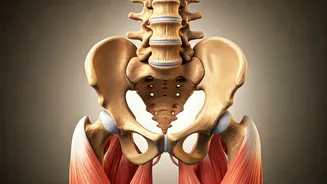
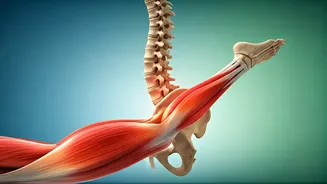
Your legs, particularly the hamstrings, hip flexors, and calf muscles, are fundamental to maintaining a healthy spine. When these muscles become tight
or stiff, they significantly influence how your spine moves and is positioned. This stiffness can create undue pressure and strain on your back during everyday activities and, more critically, during workouts. For Gen Z, a generation increasingly embracing fitness, understanding this link is paramount. Neglecting leg flexibility can lead to a cascade of biomechanical issues, altering pelvic alignment and increasing the load on the lumbar spine. Over time, this can result in disc stress and facet joint irritation, conditions that neurosurgeons frequently see even in young patients due to underlying muscle imbalances and stiffness. Essentially, inflexible legs can force your spine into unnatural positions, setting the stage for potential injury.
Common Gym Pitfalls
Many young fitness enthusiasts mistakenly prioritize heavy lifting over flexibility and recovery, inadvertently making their leg muscles stiffer. This focus on pure strength can be a major contributor to spinal issues. Another prevalent error involves improper exercise form, especially when dealing with inflexible legs and hips, which makes maintaining correct posture incredibly challenging and redirects pressure onto the spine. Furthermore, extended periods of sitting—whether for studying, gaming, or other sedentary activities—tighten the hip flexors and hamstrings, directly impacting spinal health. Clinically, this combination of poor lifting techniques and muscle stiffness significantly amplifies the risk of lumbar disc prolapse and nerve root irritation, common ailments seen in spinal clinics. These everyday habits and gym mistakes create a perfect storm for spinal distress.
Pre-Workout Essentials
To safeguard your spine, integrating thorough warm-ups into your gym routine is non-negotiable. Aim for at least 5–10 minutes of dynamic movements to prepare your muscles for exertion. Following this, dedicating time to flexibility exercises is crucial; these movements enhance the range of motion in your legs, which directly benefits spinal stability and mobility. Always prioritize and maintain proper posture during all exercises, particularly compound movements like squats and deadlifts, to ensure the load is distributed correctly. Post-workout stretching is equally vital. It helps alleviate muscle tension, preventing the buildup of stiffness that can negatively affect your spine over time. Striking a balance between rigorous training and adequate recovery ensures your muscles and spine remain supple and resilient, ready to handle the demands of your fitness journey.
Spine-Savvy Gym Practices
Beyond the immediate workout, strengthening your core muscles is a cornerstone of spinal protection. A robust core acts as a natural stabilizer for your spine, significantly reducing the likelihood of disc-related injuries. For Gen Z fitness devotees, it's vital to recognize that building body strength must be complemented by maintaining flexibility. Addressing leg stiffness is foundational to protecting your spine and enhancing overall workout performance. This holistic approach involves the right warm-up, correct exercise execution, and proper lifting techniques. Paying early attention to minor discomforts, such as initial back stiffness or radiating nerve pain, is critical. Prompt intervention can prevent these small issues from escalating into more serious conditions that might require extensive medical attention, including surgery. Ultimately, a proactive and well-rounded approach to fitness is key to long-term spinal health.