







Cold Weather's Impact
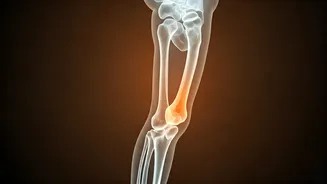
The colder temperatures of winter can significantly affect joint health. When the temperature drops, the fluids within the joints, which act as lubricants,
tend to thicken. This thickening reduces the joints' flexibility and range of motion, making movement more challenging and potentially causing stiffness and pain. The cold also constricts blood vessels, which in turn reduces blood flow to the joints. Reduced blood flow means less oxygen and fewer nutrients reach the tissues, contributing to increased pain and inflammation. Moreover, muscles tend to tighten in response to the cold, further exacerbating joint discomfort and making it difficult to maintain proper posture or movement patterns.
Pressure Changes Influence
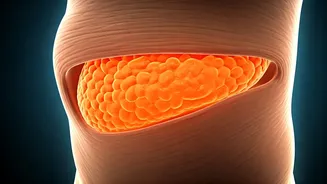
Barometric pressure, the force exerted by the atmosphere, changes with the seasons and can significantly affect joint pain. As winter approaches, the barometric pressure often drops. This drop can cause the tissues around the joints to expand, which in turn leads to increased pressure within the joint space. The increased pressure can irritate nerve endings and cause pain, especially in individuals with existing conditions like arthritis. Moreover, fluctuations in barometric pressure can also affect the viscosity of the synovial fluid, the lubricant within the joints, causing them to stiffen and become more painful. These pressure changes can even worsen pain for those with previous joint injuries or surgeries.
Reduced Physical Activity
Winter often brings a decrease in physical activity, contributing to joint pain. The cold weather and shorter days make people less inclined to engage in outdoor exercises. Indoor activities may also be limited. Reduced physical activity can lead to weakening of the muscles surrounding the joints. Weaker muscles provide less support to the joints, increasing the strain on them, which can result in more pain. Regular exercise helps maintain joint flexibility, strength, and mobility; therefore, a decline in exercise can exacerbate pre-existing conditions and increase joint stiffness. Moreover, reduced activity can contribute to weight gain, putting additional stress on the joints, particularly in the knees and hips.
Diet & Supplementation
Dietary choices and supplementation can play a role in managing joint pain during the winter months. Maintaining a balanced diet rich in anti-inflammatory foods, such as fruits, vegetables, and fatty fish, can help reduce overall inflammation, which alleviates joint pain. Foods high in omega-3 fatty acids are especially beneficial for joint health. Some supplements, like glucosamine and chondroitin, are often used to support joint cartilage. Other supplements, such as vitamin D and turmeric, have also shown potential in reducing pain and inflammation. It is important to consult a healthcare professional before starting any new supplement regimen to ensure it is safe and appropriate for your individual needs.
Practical Pain Relief
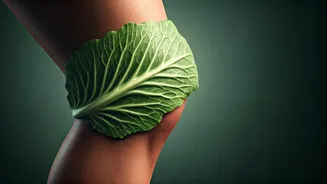
Several practical strategies can help relieve joint pain during winter. Staying warm is crucial, so wearing warm clothing, layering clothes, and staying indoors when it is extremely cold can help keep joints more comfortable. Applying heat to the affected areas, such as with warm compresses or heating pads, can relax muscles and improve circulation, alleviating stiffness and pain. Gentle exercise and stretching can maintain joint flexibility and strength; incorporating regular, low-impact activities like walking, swimming, or yoga is beneficial. Over-the-counter pain relievers such as ibuprofen or acetaminophen can also help manage pain, but it is important to follow the recommended dosages and consult a healthcare professional.