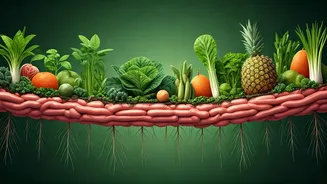








Gut Microbiome Defined
The human gut houses a complex ecosystem, often called the gut microbiome, teeming with trillions of microorganisms. These include bacteria, fungi, viruses,
and other microbes, all contributing to various bodily functions. This intricate community is pivotal for digestion, immune function, and overall health. The balance of this ecosystem, the relative abundance of different microbial species, has a significant influence on our physical well-being. A diverse gut microbiome is often associated with better health outcomes, indicating a greater ability to resist disease and maintain optimal bodily functions. Conversely, imbalances in the gut microbiome can contribute to various health issues, including digestive disorders, weakened immune responses, and even mental health challenges. Understanding the gut microbiome is vital to understanding the effects of diet, lifestyle, and other factors on our health.
Vegan Diet's Impact
Adopting a vegan diet, characterized by the exclusion of all animal products, significantly alters the food sources available to the gut microbiome. Plant-based diets are naturally rich in fiber, which serves as a crucial prebiotic, nourishing beneficial gut bacteria. Fiber fuels the growth and activity of these microbes, leading to an increase in microbial diversity and promoting a healthier gut environment. Vegan diets often emphasize whole, unprocessed foods, which can introduce a wider range of beneficial nutrients and promote optimal gut function. Research indicates that vegan diets can lead to a shift in the composition of the gut microbiome, often increasing the abundance of certain beneficial bacterial species. This shift has been associated with improvements in various health parameters, including reduced inflammation, improved insulin sensitivity, and even weight management. However, the exact impact of a vegan diet on the gut microbiome can vary depending on individual dietary choices, lifestyle factors, and pre-existing health conditions.
Weight Loss Connection
Theoretically, the shift in gut microbiome composition triggered by vegan diets can indirectly aid weight loss. Specific bacterial species that thrive on plant-based diets produce short-chain fatty acids (SCFAs). These SCFAs can influence metabolism, increase satiety, and reduce inflammation, all of which support weight management. Moreover, the high fiber content of vegan diets can promote feelings of fullness, reducing overall calorie intake. Studies have explored the connection between vegan diets and weight loss, with some finding that individuals following plant-based diets often experience more significant weight loss compared to those on other dietary regimens. This is likely due to a combination of factors, including the lower calorie density of vegan foods, the increased fiber intake, and the positive impact on the gut microbiome. However, the success of a vegan diet for weight loss isn't guaranteed, as factors such as portion sizes, the overall quality of food choices, and adherence to the diet significantly impact results. The focus must be on a well-balanced, nutritious approach.
Considerations and Caveats
While vegan diets hold potential benefits for gut health and weight management, careful planning is crucial for maximizing these advantages. Ensuring adequate intake of essential nutrients such as vitamin B12, iron, and omega-3 fatty acids, often deficient in vegan diets, is important for overall health. Supplementation or mindful food choices are vital to prevent deficiencies. The quality of a vegan diet is critical; simply eliminating animal products and relying on processed foods will undermine the benefits. A balanced approach that emphasizes whole foods, including fruits, vegetables, legumes, and whole grains, is essential. Also, individual responses to vegan diets vary. Factors such as genetics, pre-existing health conditions, and individual dietary habits can influence the outcome. Consulting a healthcare professional or registered dietitian is beneficial before adopting a vegan diet. They can help tailor the diet to meet individual nutritional needs, address potential deficiencies, and monitor health outcomes.