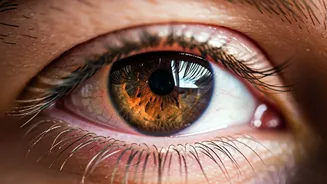








Airborne Irritants: The Culprit
Our eyes often fall victim to airborne particles, acting as a direct cause for the irritating sensation of itchiness. The air we breathe is filled with
an assortment of tiny particles, including pollen, dust, and pet dander. These invisible invaders can easily trigger an allergic reaction or simply irritate the sensitive surface of your eyes. Imagine these particles landing on your eye surface: they become trapped, triggering the release of histamine. This is the body's natural defense mechanism, but it can lead to inflammation and itching. The result? Red, watery, and very itchy eyes. To counter the discomfort, consider keeping windows shut during high pollen days and using air purifiers to filter out irritating airborne elements.
Dealing with Dry Eye
Dry eye, a condition often overlooked, can be a major contributor to eye itchiness. When your eyes don't produce enough tears or when the tears produced are of poor quality, the surface of your eyes doesn't get sufficient lubrication, leading to irritation and itchiness. Think of it like a dry, cracked surface. The absence of adequate moisture can make your eyes feel scratchy and uncomfortable. Prolonged screen time, environmental conditions, and certain medications can all exacerbate dry eye symptoms. For relief, over-the-counter artificial tears can provide temporary relief by moisturizing the eye's surface. In severe cases, prescription medications may be necessary to stimulate tear production or reduce inflammation.
The Allergy Connection
Allergies, also known as perennial allergies, are frequent triggers for itchy eyes. If you find your eyes itch, water, and become red during certain times of the year, allergies could be the culprit. Pollen, mold, dust mites, and pet dander are some of the most common allergens that can irritate the eyes. The body's response to these allergens involves the release of histamine, a chemical that causes inflammation and itching. Seasonal allergies often correlate with the blooming of specific plants, which coincides with specific times of the year. While these may affect people seasonally, some are prone to year-round issues. Antihistamines, available over-the-counter or by prescription, can help block histamine's effects, relieving the itchiness. Avoiding known allergens and using cool compresses can also provide relief.
Infection: A Possible Cause
Eye infections, which are commonly caused by bacteria or viruses, can lead to persistent eye itchiness. Pink eye, or conjunctivitis, is a common example of a contagious eye infection that often causes intense itching, along with redness, discharge, and the feeling of something being stuck in your eye. Bacterial infections can typically be treated with antibiotic eye drops or ointments. Viral conjunctivitis, on the other hand, typically resolves on its own within a week or two, though antiviral medication might be prescribed in severe cases. Always consult a healthcare professional for diagnosis and appropriate treatment. Maintaining good hygiene, such as washing your hands frequently and avoiding touching your eyes, is crucial to prevent the spread of eye infections.
The Contact Lens Factor
For those who wear contact lenses, these can be a source of eye irritation and itchiness. Contact lenses, when not properly cared for, can accumulate debris, allergens, and bacteria, leading to discomfort and itching. Improper cleaning, using expired lens solution, or wearing lenses for extended periods can increase the risk of eye irritation. Additionally, some people develop allergic reactions to the materials used in contact lenses or the solutions used to clean them. Ensure you follow the recommended cleaning and replacement schedule for your lenses. Switching to daily disposable lenses or using preservative-free solutions may also help alleviate eye itchiness.
Blepharitis: Inflammation
Blepharitis is an inflammatory condition that can make your eyes itchy and cause further discomfort. This condition affects the eyelids, causing inflammation, redness, and crusting along the lash line. It's often caused by bacteria or skin conditions like seborrheic dermatitis. The irritation stems from the inflammation itself and can also be triggered by the build-up of debris along the eyelids. Effective management involves maintaining good hygiene, such as regularly washing the eyelids with warm water and mild soap. In some cases, antibiotic or steroid eye drops or ointments may be needed to reduce inflammation and infection. Consistent eyelid hygiene is essential to prevent future flare-ups and maintain eye comfort.
Eye Strain's Impact
Prolonged screen time or intense visual tasks can lead to eye strain, which, in turn, can cause itchy eyes. Straining your eyes for extended periods causes eye fatigue, dryness, and a feeling of irritation. When you focus intensely on a screen, you tend to blink less frequently, which leads to your eyes not getting sufficient lubrication, resulting in dryness and itching. The symptoms may worsen if the viewing distance is incorrect or the lighting isn't optimal. To prevent or alleviate eye strain, follow the 20-20-20 rule. Every 20 minutes, look at something 20 feet away for 20 seconds. Ensure your workspace is properly lit and the screen is at an appropriate distance.
Underlying Health Conditions
In rare instances, itchy eyes may be linked to underlying health conditions. Certain systemic diseases, like thyroid problems or autoimmune diseases, can have eye-related symptoms. Thyroid disorders can cause eye dryness and inflammation, leading to itchiness. Autoimmune conditions, where the body's immune system attacks its own tissues, can also cause inflammation in the eyes. If itchy eyes are accompanied by other symptoms, such as fatigue, joint pain, or skin rashes, a medical evaluation may be necessary to rule out any underlying health issues. Medical professionals may then suggest different forms of treatment, ranging from medication to lifestyle changes, depending on the diagnosis.