







The Hidden Germ Hotspot
Gyms are popular spots for achieving fitness goals, often appearing impeccably clean. However, a closer look reveals an alarming reality: gym equipment
can be a breeding ground for a vast array of microorganisms. Astonishingly, research indicates that dumbbells can host 362 times more bacteria than a standard toilet seat, while fitness bikes may carry 39 times the bacterial load of restaurant self-service trays. This stark comparison underscores the pervasive presence of germs in our workout spaces. The very nature of a gym—with its constant circulation of people, shared surfaces, and varying temperature and humidity levels—creates an ideal ecosystem for microbes to flourish and spread rapidly. Understanding this invisible threat is the first step towards mitigating its impact on our health.
Why Germs Thrive Here
Several factors contribute to gyms becoming prime real estate for bacteria, viruses, and fungi. The primary culprit is sweat, which, combined with body oils and skin cells shed by numerous users, creates a nutrient-rich environment. When individuals grip weights, lean on machines, or rest on mats, they leave behind these organic materials. Over time, and with constant equipment turnover, an invisible biofilm of microbes accumulates. Dr. Susheela Chaurasia, a Consultant Microbiologist, points out that the intricate designs of gym equipment, with their numerous crevices and textured surfaces, are particularly adept at trapping moisture and organic debris. These warm, damp conditions provide the perfect incubation chambers for pathogens. Common offenders include Staphylococcus aureus, responsible for skin infections, and Pseudomonas aeruginosa, which thrives in moist environments like locker rooms and can lead to respiratory or urinary tract issues. Despite regular cleaning protocols, the sheer volume of use means high-touch surfaces are perpetually vulnerable.
Unwanted Workout Guests
Experiencing unexplained skin irritations or rashes after a gym session might not be a mere coincidence. The physiological changes during exercise can increase susceptibility to infections. When you sweat, your pores open, and your immune system's focus temporarily shifts, making it easier for bacteria to infiltrate minor cuts, abrasions, or hair follicles. Prolonged wear of damp workout attire further exacerbates the problem, fostering fungal growth and skin irritation. Consistent exposure to contaminated surfaces can elevate the risk of recurrent skin ailments, joint infections, or even respiratory complications, particularly for individuals with compromised immune systems. The microbial threat isn't confined to patrons; gym staff, trainers, and cleaning personnel are also routinely exposed, contributing to the circulation of pathogens within the facility.
Your Hygiene Arsenal
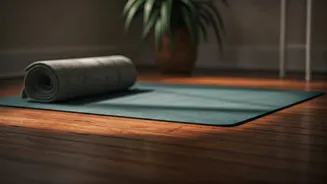
Fear not, your gym membership doesn't need to be revoked. A proactive approach to hygiene can effectively shield you from gym-borne germs. Simple, consistent habits form your first line of defense. Always wipe down equipment with disinfectant before and after you use it. Employing your own towel or mat creates a crucial barrier between your skin and shared surfaces. Crucially, refrain from touching your face during your workout to prevent germ transfer. Thorough handwashing immediately after exercising is non-negotiable. Changing out of sweaty clothes promptly post-workout also helps mitigate risks. Experts emphasize that for gym equipment, disinfection is superior to simple sanitization. Non-porous materials like metal and plastic require the use of recommended disinfectants to eliminate bacteria that can linger in imperfections or inadequately cleaned areas. Additionally, avoid going barefoot in communal wet areas like locker rooms and steam rooms, which are prone to fungal proliferation.
Keep Gym Germs Out
Your commitment to cleanliness should extend beyond the gym doors. Shoes worn both inside and outside the fitness facility can carry germs that are then transferred to your home environment. To minimize this risk, consider keeping your gym-specific shoes separate or leaving them near your home's entrance. Opting for a shower soon after your workout and regularly washing your gym attire are essential practices. Ensure any minor cuts or wounds are properly covered while you are exercising. By integrating these practices into your post-gym routine, you effectively prevent bringing unwanted microbial hitchhikers back home, safeguarding your personal space and health.
Collective Cleanliness Counts
Recognize that gyms are shared community spaces, and maintaining hygiene is a collective responsibility. When you're feeling under the weather, choosing to skip a workout is often the most considerate and healthy decision for the entire community. True fitness is a holistic pursuit, built upon consistency in exercise, adequate recovery, proper hydration, sufficient sleep, and balanced lifestyle habits. Therefore, the next time you reach for those dumbbells or step onto a machine, take a moment to wipe it down first. Prioritizing your health and fitness should never come at the expense of unnecessary exposure to infections. A mindful approach to hygiene benefits everyone in the gym.