



Plank's Core Power
The plank exercise is a cornerstone for developing a robust and stable core, engaging a multitude of essential muscles simultaneously. It effectively targets
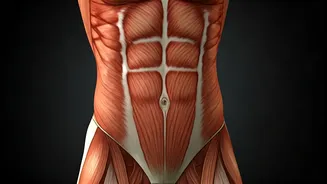
the obliques along the sides of your torso, the rectus abdominis on the front of your abdomen, and the deeper transverse abdominis, which acts as a natural corset for your midsection. Unlike repetitive movements like crunches that isolate specific abdominal muscles, planks demand coordinated effort from numerous muscle groups, fostering superior core strength and functional stability. This comprehensive engagement is crucial for maintaining proper body alignment during everyday activities and provides vital protection for your lower back. The stability gained through planking is transferable to many physical tasks, from everyday chores to athletic pursuits, laying a solid foundation for long-term physical health and injury prevention.
Finding Your Plank Time
Determining the 'perfect' plank duration isn't a rigid, one-size-fits-all metric. Several personal factors influence how long you can effectively maintain the pose. Your current level of physical conditioning, your body weight and proportions, and your prior experience with exercises like planks or other forms of breath control and muscular endurance training all play a significant role. Fitness professionals highlight age as a notable determinant; as individuals mature, natural physiological changes, such as potential joint weakening and a gradual decline in muscle mass and strength, can impact one's ability to hold a plank for extended periods. However, through consistent and dedicated training, it is absolutely possible to progressively increase your plank holding time and enhance your core capabilities. The key is to focus on achieving and maintaining correct form rather than solely chasing arbitrary time goals, as prioritizing form ensures the workout's effectiveness and promotes better endurance over time.
Ideal Plank Durations
While a universally mandated plank time doesn't exist, individuals can strive to enhance their duration based on their age group and fitness level. For the general population in their 20s, specifically between 18 and 39 years old, aiming for a plank hold of 45 to 99 seconds is a reasonable target. Those who are more athletically inclined or fitter within this age bracket might find themselves comfortably holding a plank for one to two minutes. As individuals move into older age groups, these recommended durations adjust. For those aged 40 to 59, the general population target is between 30 and 75 seconds, while fitter individuals in this range might aim for 45 to 90 seconds. For individuals 60 years and older, the general population guideline is 20 seconds to one minute, with fitter individuals aiming for 30 to 75 seconds. These benchmarks provide a useful framework for setting personal fitness goals and tracking progress in core strength development.