/images/ppid_a911dc6a-image-178385091958449924.webp)

/images/ppid_a911dc6a-image-178360003664362241.webp)
/images/ppid_59c68470-image-178362253016332218.webp)



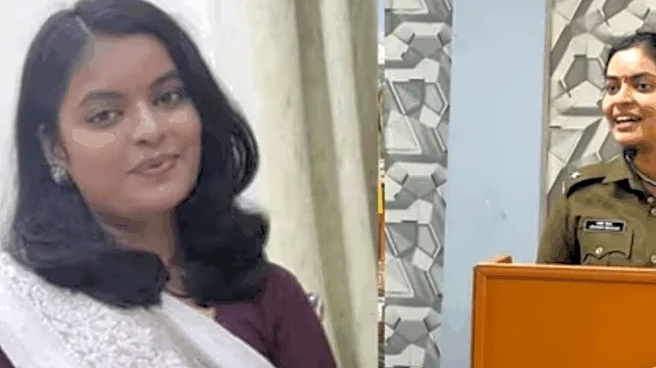
An Instagram video capturing a candid debate between a content creator and her mother over gender roles, marriage and family traditions has gone viral, sparking a wider conversation about patriarchal beliefs and the expectations placed on women in Indian households.The video, shared by content creator Khushi Rai, features a discussion in which she questions her mother's views on daughters, daughters-in-law and marriage. The clip opens with the text overlay: "Challenging the patriarchal ideology of an Indian mother."The conversation begins with Khushi's mother arguing that many modern daughters-in-law prefer to live in nuclear families instead of staying with their husband's parents. She questioned why sons should move away from their parents after
marriage, saying daughters traditionally leave their parental homes while sons remain to care for their families.“Ladkiyon ke mummy papa hai, unlogo ke saath koi reh raha hai (Girls have parents too; is anyone living with them)," Khushi asked her mother.The discussion then shifted to why daughters are expected to leave their homes after marriage. Khushi questioned why women cannot continue to live with or support their own parents in the same way sons are expected to.Her mother responded, “Beta hota hai toh ek khwaish hoti hai meri bahu aayegi toh main aise sawarungi sajaungi (When someone has a son, they want their daughter-in-law to come to their home and dress her up)."Khushi then asked, “So, the girl's parents don't have such wishes?" In response, her mother insisted that a daughter's "real" home is her in-laws' house and that she is expected to leave her parental home after marriage.The conversation took another emotional turn when her mother remarked, “Maa baap ke sar par betiyan bojh hoti hai (Daughters are a burden on their parents)," explaining that parents continue to worry about their daughters until they are married and settled into their husband's home.Taken aback by the remark, Khushi immediately asked, “Am I a burden to you?"Her mother clarified that she meant parents remain concerned about their daughters' future until they are married. Khushi then questioned why a woman should have to leave her parents, home and comfort behind for marriage when she could instead live independently with her husband. Her mother maintained that a married woman should initially live with her in-laws and only move out if the arrangement did not work out.The discussion later expanded to the topic of parenthood after Khushi said she did not intend to have children. Her mother strongly disagreed, leading to another exchange over personal choices, family responsibilities and societal expectations.

/images/ppid_a911dc6a-image-17837381368604771.webp)