








What is the story about?
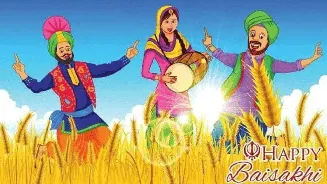
Baisakhi is also called the harvest festival and is especially celebrated in Punjab and Haryana. It is a major festival marking the joy of the Rabi harvest in these
regions. Baisakhi is also spelled Vaisakhi. The festival is celebrated with great enthusiasm and happiness, particularly by the Sikh community. This day holds religious, historical, and cultural significance. According to the Hindu solar calendar, Baisakhi is also celebrated as the Sikh New Year. Many people are curious to know whether Baisakhi falls on 13 or 14 April this year.
When is Baisakhi 2026?
This year, Baisakhi will be celebrated on 14 April.
The auspicious time for Baisakhi Sankranti is at 9:39 am.
Significance of Baisakhi 2026
Baisakhi is a very important festival for the Sikh community. Its religious, cultural, and historical significance is profound. The day marks the beginning of the Sikh New Year or Punjabi New Year. It corresponds to other festivals celebrating the traditional solar new year like Pohela, Boisakh, Bohag, Bhihu, Vishu and Tamil Puthandu. It marks the solar transition to Aries. Baisakhi is culturally linked to the harvesting of the crops. It is also celebrated as a harvest festival. Baisakhi symbolises the new season, new beginnings, new hopes, new goals, and plans for the year ahead. On this day, people thank God for a good harvest and prosperity in life. They also seek forgiveness for any mistakes, whether intentional or unintentional, and pray for happiness and prosperity.
The Message of Baisakhi
Baisakhi represents the joy of community, gratitude, and prosperity. It teaches us to live together, express thanks, and share happiness.
History of Baisakhi
Baisakhi holds special significance for the Sikhs, historically it marks the birth of the Khalsa order by Guru Gobind Singh, the tenth Guru of the Sikhs on April 13, 1699. During that time Punjab reeled under religious persecution and tyranny of the Mughal rule. He initiated the formation of the new order of the the Khalsa (meaning pure) at Takht Keshgarh Sahib on Vaisakhi by baptising the five punj pyaras (volunteers) with the sacred nectar (amrit). He asked them to drink the nectar from the same bowl to emphasise equality and the absence of discrimination in the new faith based on caste, creed, or gender. After this day, there was a significant change in the life and thinking of the Sikh community. Those who were baptised were given the title of Singh, and they were required to wear and maintain the Five Ks – kesh, kangha, kacha, kada, and kirpan. This inclusivity of the Khalsa order transformed them into brave and selfless warriors. On this occasion, people visit and pay their respects at Gurudwaras. The festival reflects the spirit, resilience, and rich heritage of the Punjabis.
How Baisakhi is Celebrated
Baisakhi is one of the major festivals of the Sikh community and is celebrated with great pomp, mainly in Punjab and Haryana. People celebrate with great excitement and joy. Colourful processions are taken out on the occasion of Baisakhi. Folk music and dances such as Bhangra and Gidda are performed, and various cultural programmes are organised.
Disclaimer: This article is based on popular beliefs. Times Now is not responsible for the accuracy or completeness of the information and facts provided here.