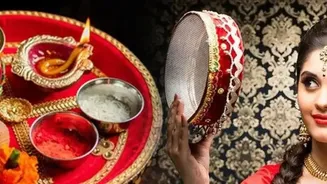







Karwa Chauth is one of the most loved festivals for married Hindu women, especially in North India. On this day, women keep a nirjala vrat, which means
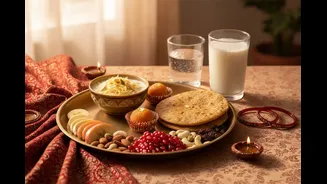
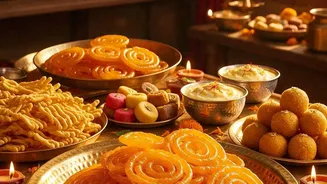
they go without food or water from sunrise until the moon comes out. They pray for the long life, health and happiness of their husbands. The day is full of rituals, from dressing up in bridal finery and applying mehendi to listening to the Karwa Chauth katha with other women in the evening. This year, Karwa Chauth is being observed tomorrow, which is October 29, 2026. Sargi happens to be an important part of this tradition. This is a special pre-dawn meal, which is gifted by the mother-in-law to her daughter-in-law. This fast begins with sargi. It is not just a tradition but also a major source of energy for women who want to observe this fast. However, it is always important that you consume your sargi as per the right time.
Karwa Chauth 2026: Sargi Muhurat
As per Panchang, the sargi for Karwa Chauth 2026 must be consumed in the early morning before sunrise on Thursday, October 29, 2026, typically between 3:30 AM and 5:30 AM (or during Brahm Muhurat around 4:54 AM to 5:45 AM.• Date of Vrat: Thursday, October 29, 2026
• Sargi Time: Pre-dawn, generally 3:30 AM to 5:30 AM (finish before local sunrise)
• Sunrise: Around 6:31 AM
• Evening Puja Muhurat: 5:38 PM to 6:56 PM (Duration: 1 hour 17 minutes) via Drik Panchang
• Expected Moonrise Time: Around 8:17 PM (varies by city)
The Story Of Queen Veeravati
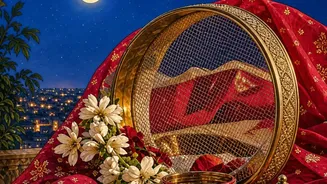
The best-known explanation comes from the folk tale of Queen Veeravati. She was the only sister of seven loving brothers. After her marriage, she kept her first Karwa Chauth fast at her parents’ home. As the day went on, she grew weak with hunger and thirst, and her brothers could not bear to see her suffer.To help her eat sooner, they came up with a trick. They placed a lamp behind a sieve, which created what looked like a glowing moon in the distance. Believing the moon had risen, Veeravati broke her fast. Soon after, she received news that her husband had fallen seriously ill. Heartbroken, she realised her fast had been broken by a false moon.
Since then, women have used a sieve to look at the moon as a way of making sure they are seeing the real moon before ending their fast. It reminds them that the vrat must be completed with patience and honesty.
Disclaimer: This article is based on popular beliefs. Times Now is not responsible for the accuracy or completeness of the information and facts provided here.