
Marriage delays can feel exhausting. Conversations begin politely and soon turn intrusive, especially at family gatherings. Advice comes in from all directions,
solutions range from practical to mystical and somewhere in between, and patience quietly wears thin. Across India, many people turn to faith not for miracles, but for reassurance—a place where hope feels steady rather than rushed. One such place is the Nithyakalyana Perumal Temple, a centuries-old shrine near Chennai that has become closely linked with prayers for marriage. Located in Thiruvidanthai, just off the scenic East Coast Road, this temple is not loud about its reputation. There are no dramatic claims or instant fixes. Instead, people return year after year due to a belief rooted in an old legend and rituals.
The Story Behind the Belief
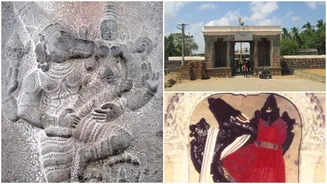
The temple is dedicated to Lord Vishnu in his Varaha avatar, worshipped here as Nithyakalyana Perumal. He is the God of eternal marriage. As per legend, Kalava, a sage who had 360 daughters, wished Vishnu to marry them. He agreed and married one daughter every day for a year.
Because the deity is believed to conduct a wedding daily, the temple came to be associated with marriage blessings. Over time, this belief grew stronger among devotees who felt that praying here helped remove delays, confusion or emotional blocks related to marriage. Many say the temple does not promise a spouse, but a partner who understands them.
A Ritual That Is Simple and Personal
One of the most followed practices at the temple is a marriage-related prayer involving flower garlands. Devotees offer two garlands to the deity. After the prayer, the priest returns one garland. The devotee wears it and walks around the temple seven or nine times.
The garland is then taken home, dried, and carefully kept. After marriage, many couples return to the temple together to offer thanks. It is said that this return completes the prayer. What stands out is the fact that there's no pressure, no urgency—only repetition and faith.
An Ancient Temple With a Long History
Beyond belief, the temple is historically significant. Built during the Pallava period, the original structure dates back to the 7th century CE. Later, Chola kings came and added to the infrastructure of the temple. They left behind inscriptions that still exist on its walls today.
According to historical records, contributions from rulers like Rashtrakuta king Krishna III, Rajadhiraja Chola, and Kulothunga Chola I are evident. One unique feature of the temple is its ivory palanquin. The Archaeological Survey of India protects the temple, and every day prayers are managed by the Hindu Religious and Endowment Board of Tamil Nadu.
Architecture That Feels Calm, Not Grand
The temple follows traditional Tamil architecture. Sculpted pillars lead to the sanctum. The seven-foot-tall idol of Nithyakalyana Perumal is carved from granite. It shows Varaha holding Bhudevi, the Earth Goddess, on his lap—a rare and powerful image symbolising protection and commitment.
Three temple tanks are associated with the shrine. The most prominent, Kalyana Pushkarani, lies directly opposite the temple and is often the first thing visitors notice.
A Sacred Place in Vaishnava Tradition
The temple is one of the 108 Divya Desams, sacred Vishnu temples praised in the Naalayira Divya Prabandham, composed by the Alvar saints between the 6th and 9th centuries. Thirumangai Alvar, one of the most prominent saints, wrote verses praising the goddess, Komalavalli Thayar.
Over the centuries, the temple has been mentioned by Vaishnava scholars such as Ramanuja and Manavala Mamunigal, adding to its religious importance.
Festivals and Daily Worship
The temple remains active throughout the year. It follows the Tenkalai tradition of worship and observes four daily rituals. Major festivals such as Chittirai Brahmotsavam and Vaikuntha Ekadashi draw large numbers of devotees.
During Brahmotsavam, the deities are taken in procession around the temple streets, turning the quiet village into a space of shared faith and celebration. Many families plan their visits around these festivals, believing the period to be especially auspicious.