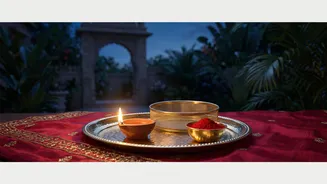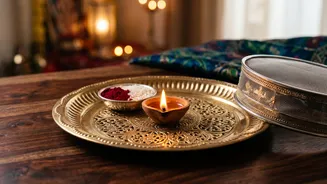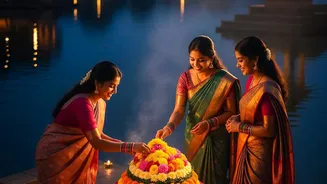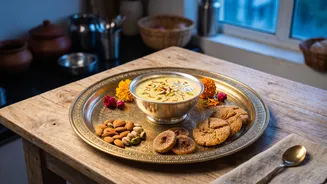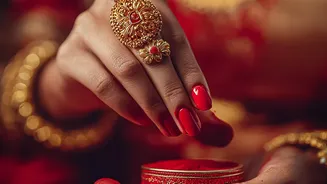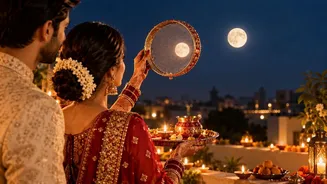







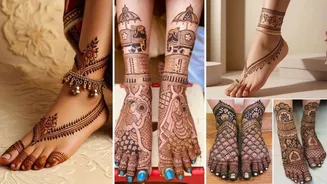
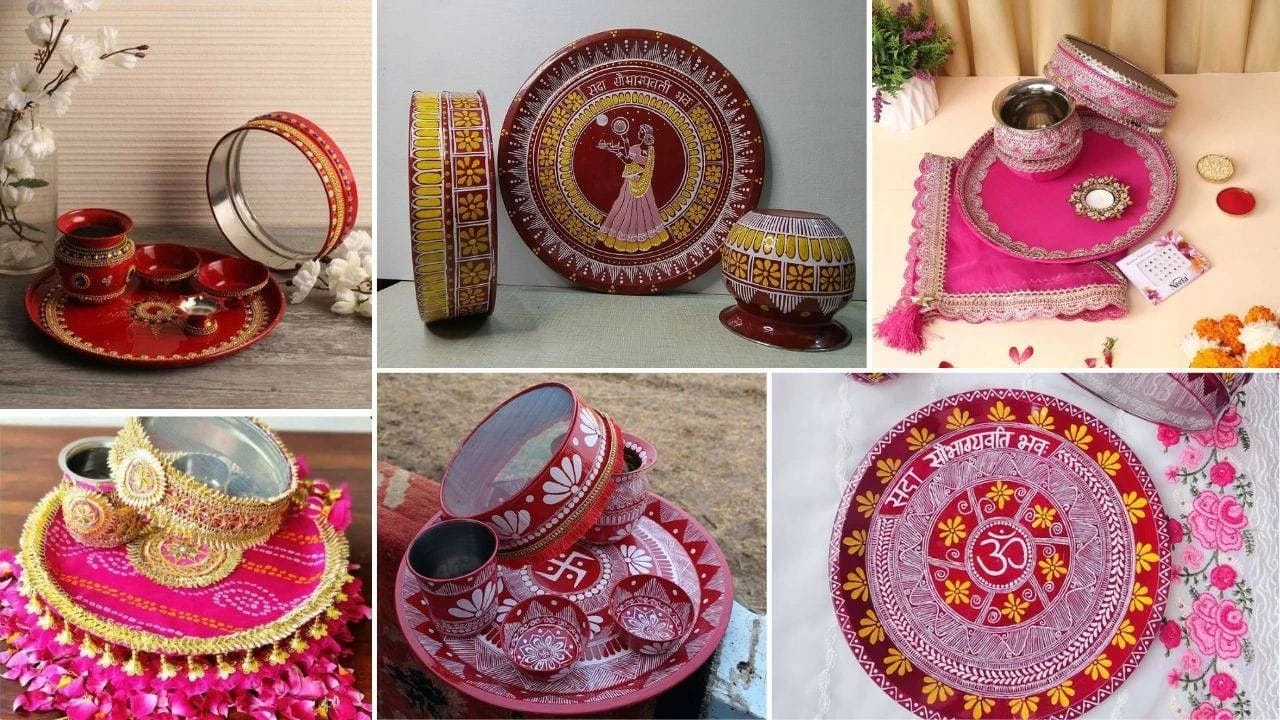

Karwa Chauth is one of the most loved festivals for married Hindu women, especially in North India. On this day, women keep a nirjala vrat, which means
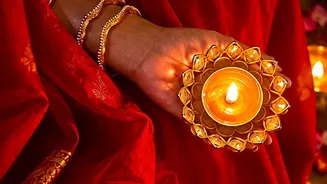
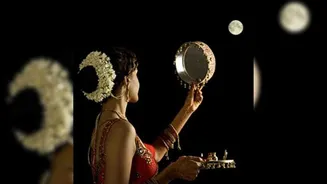
they go without food or water from sunrise until the moon comes out. They pray for the long life, health and happiness of their husbands. The day is full of rituals, from dressing up in bridal finery and applying mehendi to listening to the Karwa Chauth katha with other women in the evening. The most awaited moment comes at night. When the moon rises, women step out with a puja thali holding a diya, water, sweets and a sieve (chhalni). They look at the moon through the sieve, offer arghya (water) to it, and then turn the same sieve towards their husband’s face. The husband then offers his wife the first sip of water and the first bite of food, and the fast ends. Also Read: When Is Karwa Chauth 2026? Know Correct Date, Puja Vidhi, Shubh Muhurat And Other Details Many people follow this ritual every year without knowing why the sieve is used at all. There is a story behind it, along with some meaningful spiritual and practical reasons.
The Story Of Queen Veeravati
The best-known explanation comes from the folk tale of Queen Veeravati. She was the only sister of seven loving brothers. After her marriage, she kept her first Karwa Chauth fast at her parents’ home. As the day went on, she grew weak with hunger and thirst, and her brothers could not bear to see her suffer.To help her eat sooner, they came up with a trick. They placed a lamp behind a sieve, which created what looked like a glowing moon in the distance. Believing the moon had risen, Veeravati broke her fast. Soon after, she received news that her husband had fallen seriously ill. Heartbroken, she realised her fast had been broken by a false moon.
Since then, women have used a sieve to look at the moon as a way of making sure they are seeing the real moon before ending their fast. It reminds them that the vrat must be completed with patience and honesty.
Deeper Meaning Behind The Sieve
Apart from the legend, the sieve carries a beautiful message about married life. A sieve is used in the kitchen to separate the unwanted from the useful. In the same way, its tiny holes are seen as filtering out the small fights, misunderstandings and negative feelings that build up in a marriage over time.When a woman looks at the moon and then at her husband through the same sieve, it symbolises seeing her partner with fresh, pure love. Whatever bitterness the year may have brought is left behind, and only affection and respect remain.
There is also a simple, practical side to it. After a full day without food or water, the body is tired and the eyes can feel sensitive. Looking straight at the bright moon in the dark night sky may feel harsh. The sieve softens and spreads the moonlight, making it gentler on tired eyes.
The sieve is also linked with respect and modesty. In earlier times, women often looked at their husbands from behind a ghoonghat (veil). The sieve is seen as a modern form of this tradition. Looking at the husband through it, for the first time after the fast, reflects reverence, devotion and the dignity of the bond between husband and wife.
When Is Karwa Chauth 2026?
• Date: Thursday, October 29, 2026• Chaturthi Tithi Begins: 1:06 AM, October 29, 2026
• Chaturthi Tithi Ends: 10:09 PM, October 29, 2026
• Evening Puja Muhurat: 5:38 PM to 6:56 PM (Duration: 1 hour 17 minutes)
• Expected Moonrise Time: Around 8:17 PM
Disclaimer: This article is based on popular beliefs. Times Now is not responsible for the accuracy or completeness of the information and facts provided here.